

EC Defends Officer Transfers Before Bengal Elections, Denies Administrative Vacuum
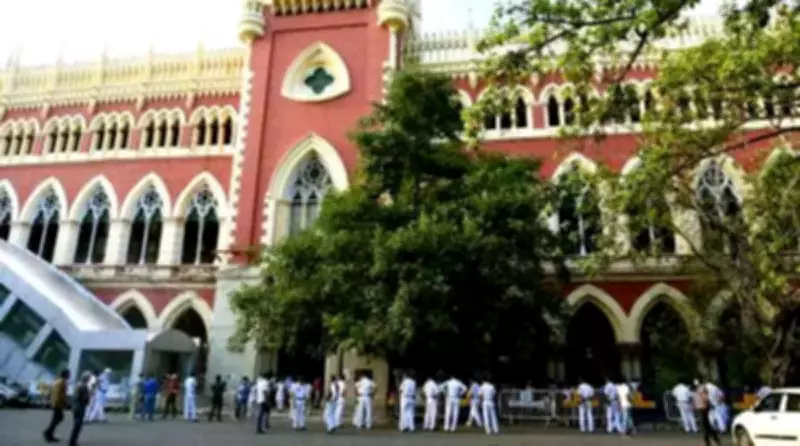
In a significant hearing at the Calcutta High Court on Monday, the Election Commission (EC) firmly refuted claims that its order to transfer officers outside West Bengal ahead of assembly elections has created any vacuum in the state administration. Representing the EC, senior advocate DS Naidu presented arguments before a division bench led by Chief Justice Sujoy Paul, asserting that the commission acted within its jurisdiction and that the transfers were not arbitrary or unconstitutional.
EC's Stance on Transfers and Jurisdiction
Naidu emphasized that the transfers are deputations under the commission's authority and do not disrupt day-to-day administrative work. "It is not a fact that transfer of officers has created any problem for state administration. It cannot affect day-to-day work," he stated, addressing concerns raised in a Public Interest Litigation (PIL) filed by lawyer Arka Kumar Nag. The PIL sought to quash notifications issued between March 15 and 18, which transferred key officials including the chief secretary, DGP, home secretary, district magistrates, superintendents of police, and senior IAS and IPS officers.
Arguments from PIL Petitioner and State Government
Senior advocate Kalyan Banerjee, representing the PIL petitioner, questioned the EC's actions, arguing that with the Supreme Court monitoring the issue and directing the Calcutta High Court chief justice to oversee it, the Chief Electoral Officer (CEO) should not be transferring officers. Advocate general Kishore Datta, supporting the PIL, contended that transfers can only be made by the employer—the state executive—and not by the CEO. "For the time being, EC is controlling state affairs, that does not mean it is the employer of those state officers," he submitted, highlighting concerns over the transfer of high-graded officers.

Legal and Constitutional Implications
Datta further noted, "For the first time in our country, the SC has taken all executive power from the EC and vested it in the judicial department," raising questions about the procedural aspects of the transfers. The bench, after hearing extensive arguments from all sides, adjourned the matter until Wednesday for further deliberation. This case underscores ongoing tensions between electoral oversight and state administrative autonomy during election periods.






