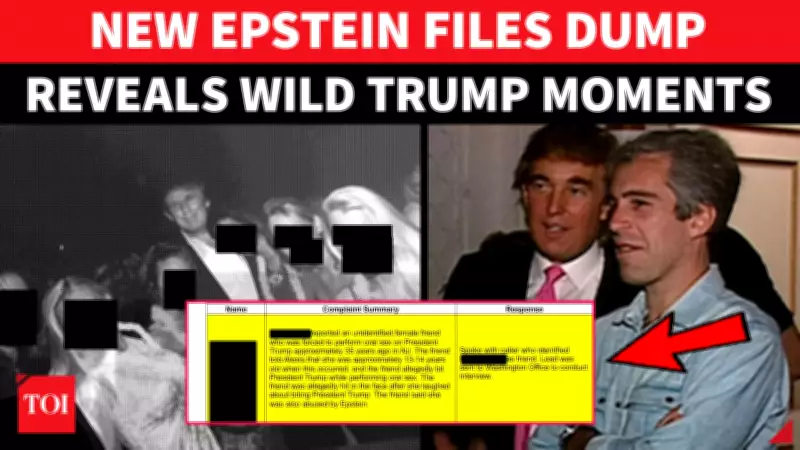
Explosive Epstein Documents Release Unverified FBI Tips About Trump
Fresh controversy has erupted following the release of new documents related to the Jeffrey Epstein case under the Epstein Transparency Act. These files contain raw, unverified tips and secondhand complaints submitted to federal investigators, including shocking allegations against former President Donald Trump and other prominent individuals.
DOJ Emphasizes Lack of Verification in Released Materials
The Department of Justice has been quick to clarify that the allegations contained in these documents were never substantiated or verified through proper investigative channels. Officials have stressed that no evidence of criminal conduct by President Trump was discovered within the released files, despite the inflammatory nature of some claims.
Trump has consistently denied any wrongdoing related to the Epstein case throughout his political career, maintaining his position that these allegations are baseless and politically motivated.

Temporary Document Removal Fuels Speculation
The situation has been further complicated by the temporary removal of some documents from the DOJ website, which has sparked:
- Public outrage over perceived transparency issues
- Widespread speculation about what might have been removed
- Renewed scrutiny of Epstein's extensive network of powerful associates
This development has reignited discussions about accountability and transparency in high-profile cases involving influential figures.
Context of the Epstein Transparency Act Release
The documents were made public as part of ongoing efforts to increase transparency around the Epstein investigation, which has captivated public attention for years due to the financier's connections to numerous wealthy and powerful individuals across multiple sectors.
The release highlights the complex balance between public transparency and the protection of unverified information in sensitive investigations.
Legal experts note that while transparency acts serve important democratic functions, they can sometimes lead to the public dissemination of raw, unsubstantiated claims that require careful contextual understanding.