

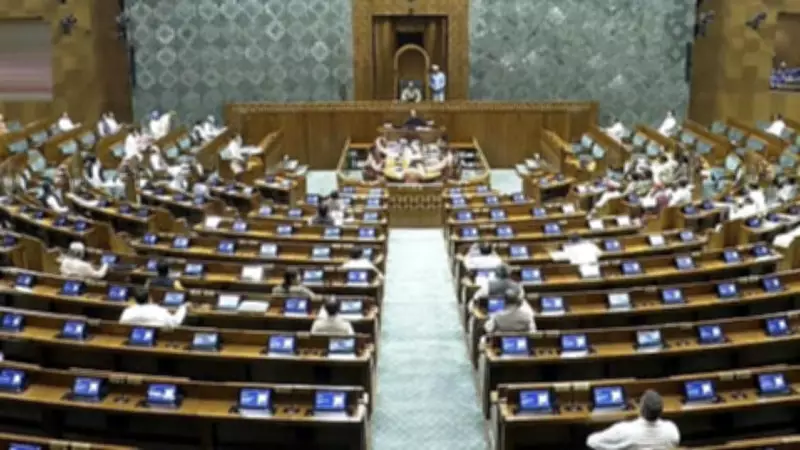
Government Introduces FCRA Amendment Bill in Lok Sabha to Address Religious Conversion Concerns
In a significant legislative move, the Indian government has introduced an amendment bill to the Foreign Contribution Regulation Act (FCRA) in the Lok Sabha. This development, reported on March 25, 2026, aims to strengthen regulations surrounding foreign funding and its potential misuse for activities such as religious conversion.
Key Provisions and Government's Stance
Minister of State for Home Affairs, Nityanand Rai, presented the bill, emphasizing its primary objectives. According to Rai, the legislation is designed to enhance transparency in the receipt and utilization of funds from abroad. The government asserts that this step is crucial to ensure that foreign contributions are not diverted towards unlawful purposes, including forced or incentivized religious conversion.
The amendment seeks to tighten oversight mechanisms, requiring stricter compliance and reporting standards for organizations receiving foreign donations. This move is part of a broader effort to safeguard national interests and maintain social harmony by preventing the exploitation of financial aid for divisive activities.

Context and Implications
The introduction of this bill comes amid ongoing debates about the role of foreign funding in India's socio-religious landscape. Critics have long raised concerns about the use of overseas money to influence domestic affairs, particularly in sensitive areas like religion. The government's action reflects a proactive approach to address these issues through legal frameworks.
By amending the FCRA, authorities aim to create a more robust system that deters misuse while promoting accountability among non-governmental organizations and other entities. This could involve enhanced scrutiny of fund flows, mandatory audits, and penalties for violations, thereby ensuring that contributions serve their intended charitable or developmental purposes.
Reactions and Future Steps
While the bill has been introduced, it will undergo parliamentary scrutiny, including discussions and potential revisions before enactment. Stakeholders from various sectors, including civil society groups and religious organizations, are expected to weigh in on the proposed changes. The government's firm stance, as articulated by Nityanand Rai, underscores its commitment to curbing activities deemed detrimental to India's secular fabric.
This legislative initiative highlights the ongoing efforts to balance openness to foreign aid with the need to protect against external interference in domestic matters. As the process unfolds, it will be closely monitored for its impact on funding patterns and religious dynamics across the country.






