

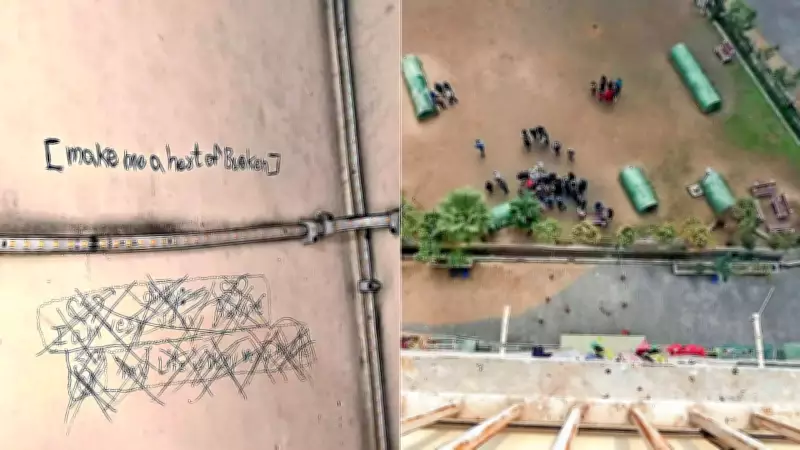
In a heartbreaking revelation from Ghaziabad, the writings on the wall of the room where three sisters spent their days offer a poignant window into their troubled minds, indicating they grappled with profound loneliness before their tragic deaths by suicide on Wednesday. The phrases "I am very, very alone", "My life is very very alone", and "Make me a heart of broken" were scribbled by the girls, aged 16, 14, and 12, painting a stark picture of their emotional state.
A Life of Isolation and Seclusion
The eldest girl and her two half-sisters had not attended school since the Covid-19 pandemic, nor were they homeschooled, leading a completely sequestered existence. They did not venture out to play with other children in their society compound, instead becoming each other's best friends and remaining inseparable throughout the day. This extreme isolation created a vacuum that they filled with an intense fascination for South Korean culture.
K-Pop and Korean Dramas as Emotional Refuge
South Korea, as known through K-pop music and television dramas, became their sanctuary in this loneliness. The sisters even called each other by names borrowed from TV shows – Maria, Aliza, and Cindy – effectively creating a parallel world that excluded their parents. Their diary, which has been reviewed, lists 19 things their parents could have approved of but did not, including not just K-dramas but also Chinese, Japanese, Thai, American, and British music and actors, along with cartoon shows like Shin-chan and Doraemon, and mobile games.

"You don't know how much we loved Korea, now see the proof. Now it's confirmed here that Korean and K-pop groups are our life. The way we loved Korean actors and K-pop groups, we didn't even love family members that much," the sisters wrote in their diary, revealing the depth of their emotional attachment to this foreign culture.
Parental Conflict and Sibling Separation
The diary entries show escalating tension with their parents over cultural preferences. The sisters expressed wanting to make their four-year-old sister Devu "our own" but admonished their parents for introducing her to Bollywood influences through friends named Amayra, Akshita, and Anaya. "You made her Bollywood, which we hated more than life itself," they wrote.
One particularly telling episode occurred when the sisters introduced Devu to their K-pop "relatives" and suggested she call them "Lino bhaiya" and "Kuina didi." Their mother intervened, saying "teach her some studies too, or will you make her Korean like yourself." This incident, according to the diary, made them decide to separate Devu from their lives entirely.
References to Abuse and Premature Concerns
The diary also contains disturbing references to physical beatings, though it's unclear from whom. "Did we live in this world to get beaten by you… death would be better for us than beatings," they wrote, suggesting possible abuse. Another cryptic entry mentions marriage, an unusual concern for girls of their age: "The mention of marriage caused tension in our hearts."
Police suspect the 14-year-old girl was the primary author of the diary and have sent it for forensic analysis to better understand the timeline and circumstances of the writings.
Financial and Marital Turmoil in the Household
Beneath the children's fantasy world lay a grim reality of household turmoil, both financial and personal. Their father, Chetan Kumar, a stock trader, is believed to be deep in debt, which apparently prevented him from sending his daughters to school after Covid-19. He also faced significant marital troubles, with two of his partners walking out in May 2025, prompting him to file missing person reports at Teela Mod police station. Although both returned after a few days, police investigations revealed Chetan faced substantial losses during the pandemic and took loans afterward, compounding the family's distress.
The tragic case highlights the devastating consequences of extreme isolation, cultural disconnect between generations, and family financial pressures, leaving a community in mourning and raising serious questions about adolescent mental health support systems.






