

Government Deems All-Party Meeting on Women's Quota After April 29 Unfeasible
The Indian government has firmly stated that convening an all-party meeting to discuss the implementation of the 33% women's reservation quota after April 29 is not feasible, citing logistical and procedural constraints. This announcement comes amidst growing calls from opposition parties, particularly the Congress, for an expedited rollout of the landmark legislation aimed at enhancing female representation in legislative bodies.
Congress Challenges Government's Timeline, Questions Urgency
The Congress party has vehemently opposed the government's stance, insisting that there is sufficient time to hold the meeting and initiate the quota's implementation well before the proposed deadline. Senior Congress leaders, including party president Mallikarjun Kharge, have raised pointed questions about the government's apparent haste in seeking further amendments to the law, which was passed with bipartisan support in 2023. They argue that the delay undermines the spirit of the legislation and could hinder progress toward gender equality in politics.
In a sharp critique, Congress spokesperson Shemin Joy highlighted the contradiction in the government's approach, noting, "While the government claims urgency in amending the law, it dismisses the possibility of a timely all-party consultation. This raises concerns about their commitment to a smooth and inclusive implementation process." The party has demanded transparency on the reasons behind the rushed timeline, suggesting it may be politically motivated ahead of upcoming elections.

Background and Implications of the Women's Reservation Law
The women's reservation law, which mandates 33% of seats in the Lok Sabha and state legislative assemblies be reserved for women, was hailed as a transformative step for Indian democracy when enacted. However, its implementation has been stalled due to debates over delimitation and census data. The current controversy centers on the government's proposal to amend certain provisions, which opposition parties fear could dilute the quota's effectiveness or delay its enforcement further.
Key stakeholders, including women's rights groups and civil society organizations, have expressed alarm over the potential postponement. They emphasize that early implementation is crucial for addressing historical underrepresentation and empowering women in governance. The all-party meeting is seen as a critical forum to build consensus and iron out technical details, making its timing a contentious issue.
Political Standoff and Future Prospects
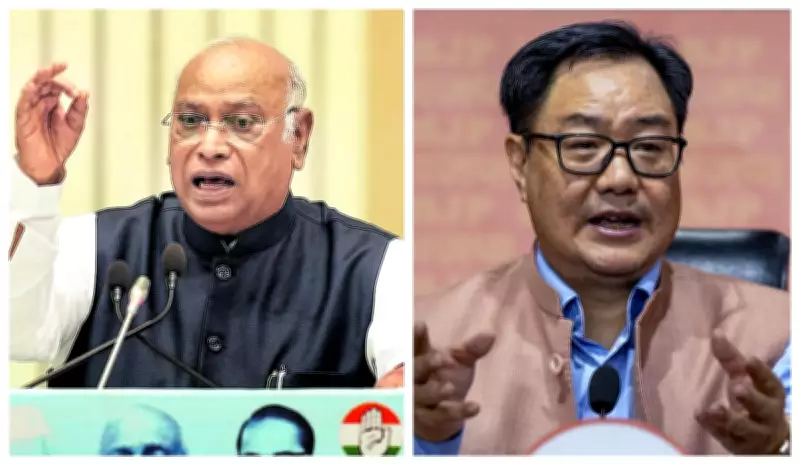
The standoff between the government and the Congress reflects broader political tensions in India, with both sides leveraging the issue for electoral advantage. While the government, represented by Union Minister Kiren Rijiju, maintains that procedural requirements necessitate a later meeting, the Congress accuses it of dragging its feet on a matter of national importance. This dispute could impact the legislative calendar and public perception ahead of key state and national polls.
As the debate intensifies, experts warn that any delay in the quota's rollout could erode trust in political institutions and hinder India's progress toward gender parity. They urge all parties to prioritize dialogue and find a middle ground to ensure the law is implemented effectively and without unnecessary delays. The outcome of this conflict will likely shape the trajectory of women's political participation in the country for years to come.






