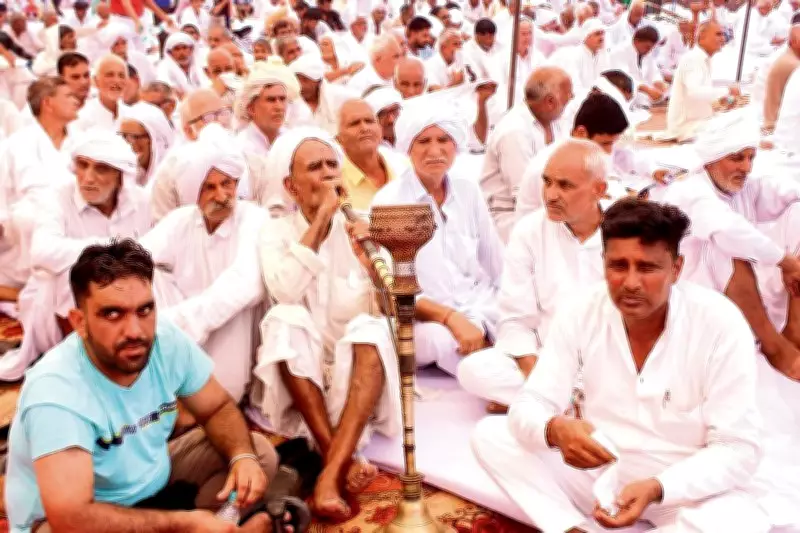
Khap leaders in Haryana have indicated they do not oppose the concept of reservation for women in politics, but they emphasize that the transition should be gradual. Speaking at a recent gathering, several influential leaders from various khap panchayats expressed their conditional acceptance of the women's quota bill, stressing the need for societal adaptation.
Conditional Support for Women's Quota
While acknowledging the importance of women's representation, khap leaders argue that sudden implementation could disrupt traditional social structures. They advocate for a phased approach, allowing communities time to adjust to the new dynamics. One leader stated, 'We are not against women's empowerment, but change must come slowly to avoid conflict.'
Gradual Implementation Suggested
The leaders proposed a step-by-step introduction of the quota, starting with local bodies before moving to higher levels of governance. They believe this would help in building acceptance and ensuring that women candidates are adequately prepared for political roles. 'Women need training and support to effectively participate in politics,' another leader added.

Reactions from Women's Groups
Women's rights activists have welcomed the openness but criticized the call for gradual change, arguing that it delays equality. 'Women have waited long enough; any further delay is unjust,' said a local activist. However, some acknowledge the need for dialogue to address cultural sensitivities.
Broader Implications
The stance of khap leaders is significant given their influence in rural Haryana. Their conditional support could pave the way for broader acceptance of the women's quota bill, but the emphasis on gradualism may lead to prolonged debates. The bill, which seeks to reserve one-third of seats in Parliament and state assemblies for women, has been pending for years.
As the discussion continues, all eyes are on how traditional institutions and modern legislative reforms can find common ground. The outcome will likely shape the political landscape for women in Haryana and beyond.