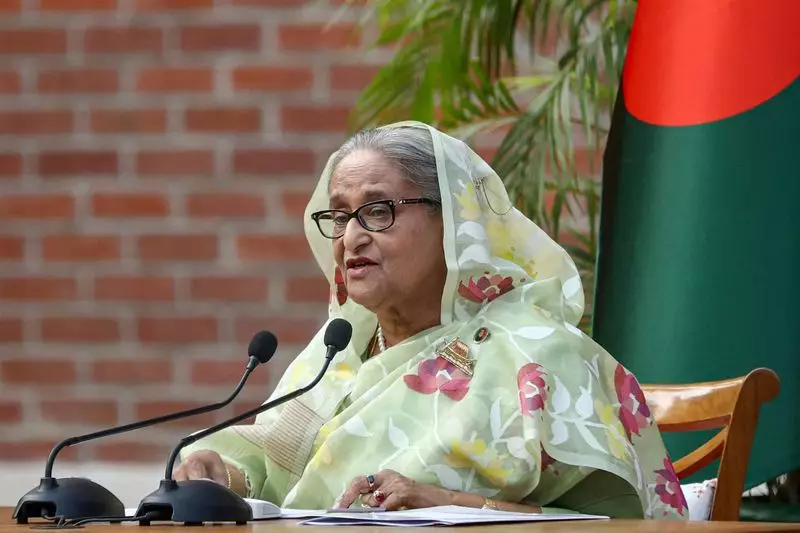
In a startling and severe indictment, former Prime Minister of Bangladesh Sheikh Hasina has launched a fierce attack on the current government led by Nobel laureate Muhammad Yunus. She has accused the administration of perpetrating what she terms "unspeakable atrocities" against the country's non-Muslim minority communities. This explosive allegation throws a harsh spotlight on the state of religious freedom and human rights under the Yunus-led interim government.
Explosive Allegations from a Political Heavyweight
Sheikh Hasina, who leads the opposition Awami League and is a towering figure in Bangladeshi politics, did not mince words in her condemnation. She asserted that the actions of the Yunus government have created an atmosphere of fear and persecution for Hindus, Buddhists, and Christians. The former Prime Minister made these grave charges during a recent public address, signaling a significant escalation in her political confrontation with the current regime.
Hasina's accusations are particularly potent given the international stature of Muhammad Yunus, widely known as the "banker to the poor" for his pioneering work in microfinance with Grameen Bank. His Nobel Peace Prize had cast a global halo, which these allegations now directly challenge. Hasina's statement implies a stark contradiction between Yunus's international image as a peacemaker and the alleged realities of his governance.

Context of Political Tension and Minority Rights
The charges emerge against a backdrop of prolonged political instability in Bangladesh. The interim government, tasked with overseeing free and fair elections, has itself been a point of intense controversy. Hasina and her party have consistently questioned its neutrality. Her latest comments frame the treatment of minorities as the most critical failure of this administration.
Sheikh Hasina specifically highlighted incidents of land grabbing, vandalism of places of worship, and forced displacements targeting non-Muslim families. She claimed these are not isolated events but a systematic campaign enabled by state inaction or complicity. The former PM argued that the social fabric of Bangladesh, which has historically included diverse religious communities, is being deliberately torn apart.
These allegations resonate deeply because protecting minority rights has been a longstanding issue in South Asia. In Bangladesh, the Hindu population, in particular, has seen a decline in its percentage share over the decades, a trend often attributed to migration driven by insecurity. Hasina's speech directly taps into these historical anxieties, positioning her party as the defender of a pluralistic Bangladesh.
International Repercussions and Domestic Fallout
The implications of such a high-profile accusation are vast. Internationally, it could damage the credibility of the Yunus government and prompt scrutiny from human rights organizations and foreign capitals. For the domestic audience, it sharpens the existing political divide. Supporters of the Awami League are likely to rally behind Hasina's strong stance, while government allies will dismiss it as a politically motivated smear tactic.
The government of Muhammad Yunus has yet to issue a detailed, point-by-point rebuttal to these specific allegations. Previously, the administration has stated its commitment to the rule of law and equal rights for all citizens. However, the severity of Hasina's language—using terms like "unspeakable atrocities"—demands a substantive response to address both national and international concerns.
Analysts suggest this move is a strategic effort by Sheikh Hasina to consolidate her base, appeal to minority voters, and frame the upcoming electoral battle as a fight for the nation's soul. By focusing on minority persecution, she places a moral burden on the interim government and seeks to undermine its legitimacy on the global stage where Yunus was once unassailable.
As the political temperature rises, the world watches to see how this serious clash between a Nobel laureate's government and a veteran political leader will unfold. The outcome will significantly impact Bangladesh's internal stability, its international reputation, and the safety of its minority communities.