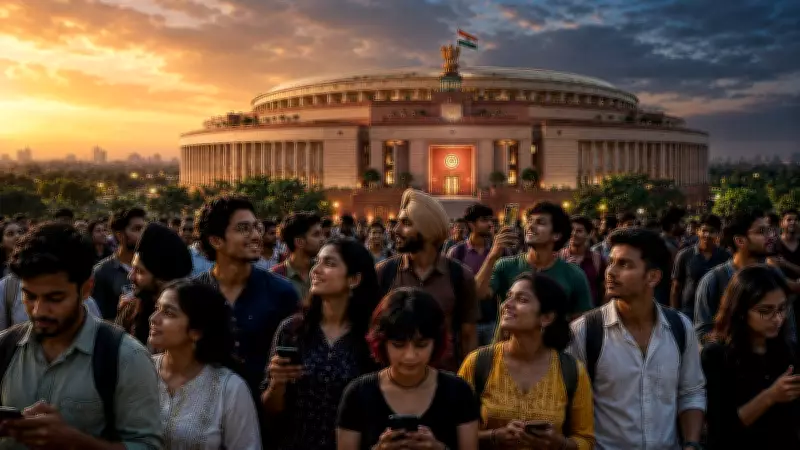
A digitally native electorate can be democracy’s greatest renewal and its greatest vulnerability. India, perhaps more than most democracies, must pay attention. The rise of an impatient republic, where disruption is celebrated without the requisite competence, poses significant risks to democratic institutions and governance.
The Double-Edged Sword of Digital Natives
Young, digitally savvy citizens bring fresh energy and new ideas to the political landscape. They demand transparency, accountability, and rapid change. However, this same impatience can undermine the careful deliberation and expertise required for effective policy-making. When disruption becomes an end in itself, without a foundation of competence, it threatens the stability of democratic systems.
India's Unique Challenge
India, with its vast and youthful population, is particularly susceptible to the allure of quick fixes and charismatic disruptors. The nation's democratic fabric, while resilient, faces unprecedented strain from a culture that prizes speed over substance. The risk is not merely political instability but a erosion of trust in democratic processes themselves.

Competence as a Counterbalance
To safeguard democracy, we must reassert the value of competence. This means investing in education, fostering critical thinking, and encouraging a respect for expertise. It also requires political leaders to demonstrate not just vision but the ability to execute complex policies effectively. Disruption should be a tool for improvement, not a substitute for governance.
The impatient republic need not be a doomed experiment. By balancing the energy of digital natives with the wisdom of experience, India can turn this vulnerability into strength. The key lies in recognizing that democracy's greatest renewal comes not from disruption alone, but from disruption tempered by competence.