

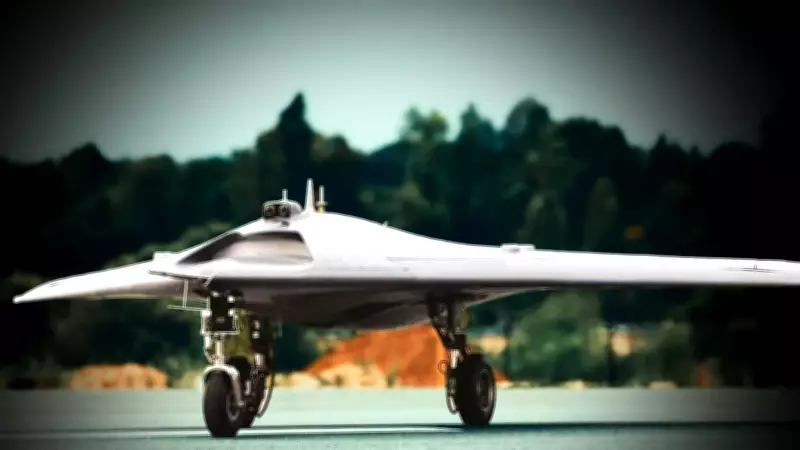
India Advances Ghatak Stealth Drone Programme for Air Defence Breach
India has taken a significant stride toward deploying its first indigenous stealth unmanned combat aerial vehicle, with the Defence Procurement Board granting clearance for the design and development of the Ghatak UCAV programme. This approval marks a pivotal moment in the nation's defence capabilities, enhancing its strategic autonomy in aerial warfare.
Development and Origins of the Ghatak Drone
The Ghatak, meaning "deadly" in Sanskrit, is being developed by the Aeronautical Development Establishment under the Defence Research and Development Organisation for the Indian Air Force. Its lineage traces back to the Autonomous Unmanned Research Aircraft programme, which was first disclosed in 2007, formally sanctioned by the government in 2016, and achieved its maiden successful flight in July 2022. This jet-powered autonomous stealth platform represents years of dedicated research and innovation in unmanned systems.
Key Features and Propulsion
Powered by the domestically developed Dry Kaveri engine from the Gas Turbine Research Establishment, the Ghatak drone boasts advanced propulsion technology that underscores India's self-reliance in defence manufacturing. This engine enables high-performance capabilities, crucial for stealth operations and long-range missions.

Core Mission: SEAD and DEAD Operations
The primary mission of the Ghatak UCAV is Suppression and Destruction of Enemy Air Defences, encompassing SEAD and DEAD operations. In this role, it will autonomously:
- Detect and identify enemy radar systems.
- Track and destroy missile batteries and command centres.
- Create gaps in enemy defensive networks to facilitate safer entry for manned aircraft into contested airspace.
This capability is designed to tear holes in enemy air defences, providing a critical advantage in modern warfare scenarios.
Manned-Unmanned Teaming with Tejas Mk2
Beyond its standalone missions, the Ghatak drone is being developed for Manned-Unmanned Teaming with the Tejas Mk2 fighter jet. In this configuration, it will function as a loyal wingman, capable of being deployed into heavily defended zones to:
- Scout and gather intelligence.
- Engage high-value targets.
- Draw enemy fire, thereby protecting manned aircraft and enhancing overall mission survivability.
This integration highlights the evolving nature of aerial combat, where unmanned systems complement manned platforms for increased effectiveness.
The clearance of the Ghatak programme underscores India's commitment to advancing its defence technology and strengthening its air power in an increasingly complex global security environment.






