

India's Ambitious Plan for Indigenous Unmanned Combat Search and Rescue Aircraft
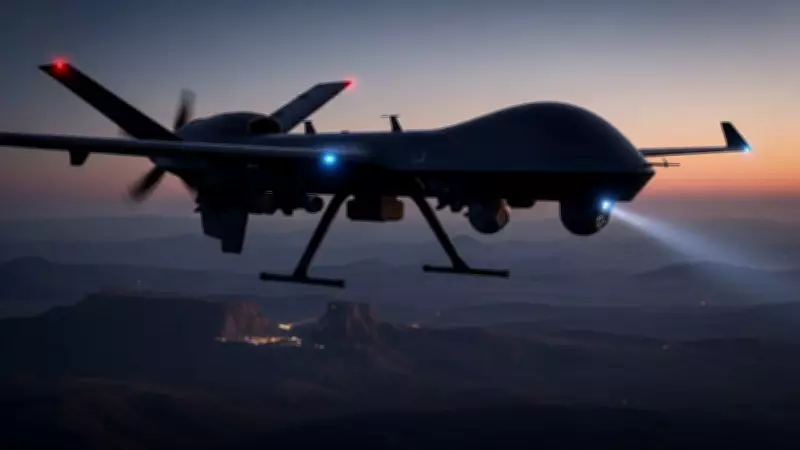
The Indian government has unveiled a strategic initiative to design and develop an unmanned combat search and rescue aircraft specifically for the Indian Air Force (IAF). This move marks a significant advancement in the nation's defense capabilities, focusing on enhancing operational efficiency in high-risk scenarios.
Key Specifications and Capabilities
According to official statements, one of the primary requirements for this platform is its ability to carry a minimum payload of 400 kilograms. This capacity includes provisions for transporting up to four passengers along with stretchers, ensuring effective medical evacuation during combat or emergency situations.
The indigenous autonomous system is envisioned as a versatile platform that can be deployed for multiple roles beyond search and rescue. It will facilitate the transportation of logistic materials and essential supplies to forward areas and inhospitable terrains, such as snow-bound heights, where conventional helicopters often face operational challenges.

Advanced Technological Features
This runway-independent Unmanned Aerial Vehicle (UAV) is designed with cutting-edge autonomous capabilities, including auto-takeoff, navigation, and landing functions. It will be equipped with an integrated Emergency Locator Transmitter, enabling it to efficiently search, locate, and land in critical situations.
The specifications outline that the aircraft should operate effectively from sea level up to 16,000 feet, with a desirable extension to 20,000 feet. It must have a radius of action of at least 200 kilometers, complemented by a loiter time of 45 minutes to ensure sustained mission endurance.
Additionally, the platform is required to launch from unprepared surfaces and maintain operational integrity in Global Navigation Satellite System (GNSS)-denied conditions, enhancing its resilience in contested environments.
Procurement and Indigenous Focus
Following its development, the procurement process will adhere to the 'Buy (Indian-IDDM)' route, which stands for Indigenously Designed, Developed and Manufactured. This approach mandates that at least 50% of the material, components, and software used in the aircraft be sourced domestically, reinforcing India's commitment to self-reliance in defense technology.
This initiative not only aims to bolster the IAF's operational readiness but also aligns with broader national goals of fostering indigenous innovation and reducing dependency on foreign defense imports. The development of such advanced unmanned systems is expected to position India as a key player in the global defense aerospace sector.






