Rekha Gupta Accuses Indira Gandhi of Suppressing Women Leaders in Congress
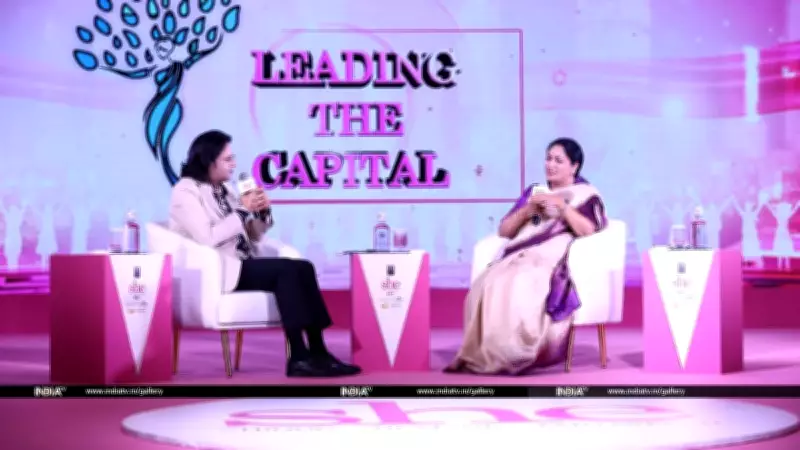
At the India TV She Conclave held on March 9, 2026, political commentator Rekha Gupta made a bold statement, alleging that former Prime Minister Indira Gandhi systematically prevented the emergence of women leaders within the Indian National Congress party. This remark has ignited a fresh discussion on gender representation and leadership dynamics in one of India's oldest political organizations.
Allegations of a Leadership Vacuum
Gupta argued that during Indira Gandhi's tenure as Congress president and prime minister, the party failed to nurture a robust pipeline of female leadership. She suggested that Gandhi's dominant style and centralized control created an environment where other women politicians were often sidelined or not given significant opportunities to rise through the ranks.
This critique comes at a time when political parties across India are increasingly scrutinized for their gender inclusivity. Gupta emphasized that while Indira Gandhi remains an iconic figure for many, her legacy in terms of empowering women within her own party is questionable.

Historical Context and Party Dynamics
The Congress party, founded in 1885, has seen only a handful of women in top leadership roles over the decades. Indira Gandhi served as prime minister from 1966 to 1977 and again from 1980 until her assassination in 1984, making her one of the most powerful women in global politics at the time.
However, Gupta pointed out that this prominence did not translate into a broader culture of female leadership within the party. "Her reign was marked by a certain reluctance to share power, which inadvertently stifled the growth of other women leaders," Gupta stated at the conclave.
Reactions and Broader Implications
This assertion has prompted varied reactions from political analysts and Congress members. Some have defended Indira Gandhi's legacy, highlighting her role in breaking gender barriers in a male-dominated political landscape. Others have acknowledged the need for more systemic efforts to promote women in politics.
The India TV She Conclave, focused on women's issues and empowerment, provided a platform for such critical examinations. Gupta's comments underscore ongoing challenges in achieving gender parity in Indian political parties, even those with historic female figureheads.
Looking Forward
As debates around women's representation in politics intensify, Gupta's remarks serve as a reminder of the complex interplay between individual leadership and institutional support. The Congress party, like others, faces calls to implement more inclusive policies and mentorship programs to foster the next generation of women leaders.
This discussion at the conclave may influence future strategies within political organizations, emphasizing that symbolic representation must be coupled with substantive opportunities for women to lead and shape policy.