

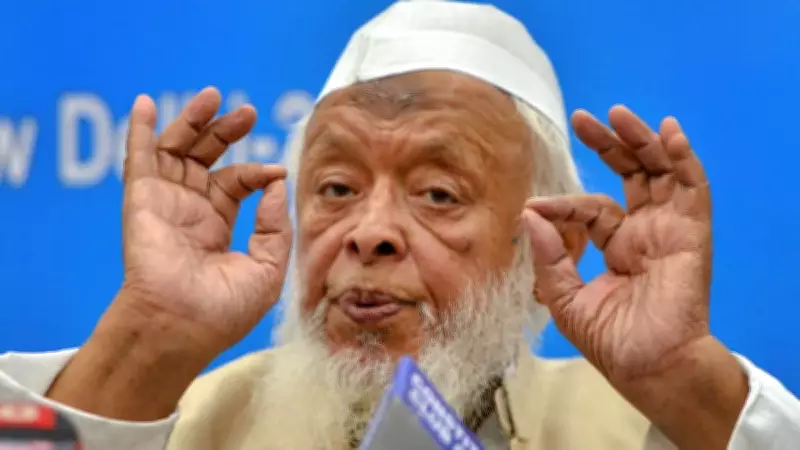
Jamiat Ulama-i-Hind Denounces Government Directive on Vande Mataram
In a strong statement, the prominent Islamic organization Jamiat Ulama-i-Hind has sharply criticized a recent government order related to the national song Vande Mataram, labeling it as an attack on the freedom of religion. The group asserts that this directive undermines constitutional principles and threatens the secular fabric of India.
Allegations of Constitutional Violations
Jamiat Ulama-i-Hind argues that the government's move imposes cultural and religious practices on citizens, which they claim violates the fundamental right to religious freedom enshrined in the Indian Constitution. The organization emphasizes that such orders could lead to coercion and marginalization of minority communities, particularly Muslims, who may have religious objections to certain patriotic expressions.
Key Concerns Raised by the Organization:

- The directive is seen as an infringement on personal beliefs and autonomy.
- It may create an environment of forced patriotism, contrary to democratic values.
- There are fears that this could escalate tensions between different religious groups in the country.
Historical and Legal Context
Vande Mataram, a song from Bankim Chandra Chattopadhyay's novel Anandamath, has been a subject of debate due to its religious connotations. While it is respected as a national song, its recitation has sometimes been contentious among some Muslim groups who view it as idolatrous. Jamiat Ulama-i-Hind points to past legal precedents and societal discussions that highlight the need for sensitivity in such matters.
The organization calls for a review of the order, urging the government to uphold the pluralistic ethos of India. They stress that patriotism should not be enforced through mandates but fostered through inclusive policies that respect diverse cultural and religious identities.
Broader Implications for Indian Society
This controversy comes at a time when issues of nationalism and religious freedom are increasingly prominent in public discourse. Jamiat Ulama-i-Hind's stance reflects broader concerns about the balance between national unity and individual rights. Experts suggest that such disputes could impact social harmony and require careful handling by authorities.
The group has not specified the exact details of the government order, but their response indicates a significant escalation in tensions over cultural policies. They plan to engage in legal and democratic avenues to challenge the directive, emphasizing dialogue and constitutional remedies.
In conclusion, Jamiat Ulama-i-Hind's condemnation underscores ongoing debates about religious freedom in India, with potential ramifications for policy and community relations. The situation highlights the delicate interplay between state directives and personal liberties in a diverse democracy.






