J&K Leadership Calls for Calm Amid Iran Tensions, Coordinates Student Evacuation
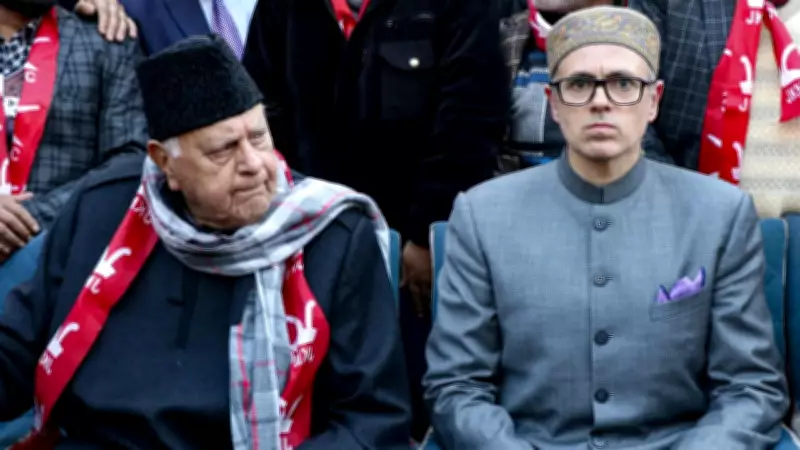
In a significant development on Thursday, Jammu & Kashmir Chief Minister Omar Abdullah and National Conference president Farooq Abdullah addressed the escalating situation in Iran, urging peaceful expression of grief while confirming that the Union Territory government is actively collaborating with the Centre to evacuate Kashmiri students, predominantly medical scholars, who are currently stranded in the conflict-ridden nation.
Appeal for Peaceful Mourning and Vigilance
Both leaders emphasized the importance of maintaining communal harmony as Muslims across the region express outrage over the killing of Iran's supreme leader, Ayatollah Ali Khamenei. Chief Minister Omar Abdullah explicitly instructed officials to permit citizens to offer condolences peacefully in mosques, shrines, and imambaras. However, he issued a stern warning against anti-social elements attempting to exploit the volatile atmosphere for disruptive purposes.
"We must ensure that those seeking to disturb the peace in Jammu & Kashmir are not allowed to capitalize on this sensitive situation," stated the Chief Minister, following a crucial meeting with civil society representatives, including prominent Shia religious leaders, on Wednesday. The discussions centered on preserving social cohesion and preventing any escalation of tensions.

Preemptive Security Measures Implemented
Anticipating potential protests scheduled for Friday, authorities have enacted stringent security protocols across Kashmir. Mobile internet speeds have been deliberately reduced, and prepaid internet services have been temporarily suspended to curb the spread of misinformation and prevent unrest. In a notable move, police have sealed off Lal Chowk, a central hub in Srinagar, to preempt any large-scale gatherings that could turn volatile.
Evacuation Efforts for Stranded Students Underway
Farooq Abdullah provided reassuring updates regarding the evacuation process, confirming that concerted efforts are in progress to bring the stranded students home safely. "The majority of these students have already been relocated to more secure locations within Iran. Arrangements are being finalized to facilitate their safe return flights to India," he announced.
The National Conference chief also appealed to the international community to prioritize de-escalation, cautioning that the current tensions could spiral into a broader global conflict if not managed with utmost care. "Military invasions are fundamentally unjust. The world must act responsibly to prevent this crisis from expanding beyond regional boundaries," Farooq Abdullah remarked.
Concerns from Student Groups and Political Representatives
Adding to the urgency, Nasir Khuehami, the national convener of the Jammu and Kashmir Students Association (JKSA), revealed that the organization maintains continuous communication with several stranded students. These students have reported hearing multiple explosions near their residences, heightening concerns for their safety.
Khuehami has formally requested External Affairs Minister S. Jaishankar to expedite evacuation procedures, specifically suggesting the Armenia border as a viable route for students trapped in Urmia, Iran.
Meanwhile, Aga Syed Muntazir, a Peoples Democratic Party (PDP) Member of the Legislative Assembly representing Budgam—a constituency with a substantial Shia population—has called upon the government to release individuals detained over the past five days. This appeal underscores the broader political and humanitarian dimensions of the crisis, as local leaders balance security concerns with civil liberties.
The coordinated response from J&K's political leadership highlights a dual focus: ensuring the safe repatriation of citizens abroad while safeguarding domestic peace during a period of international turmoil.