

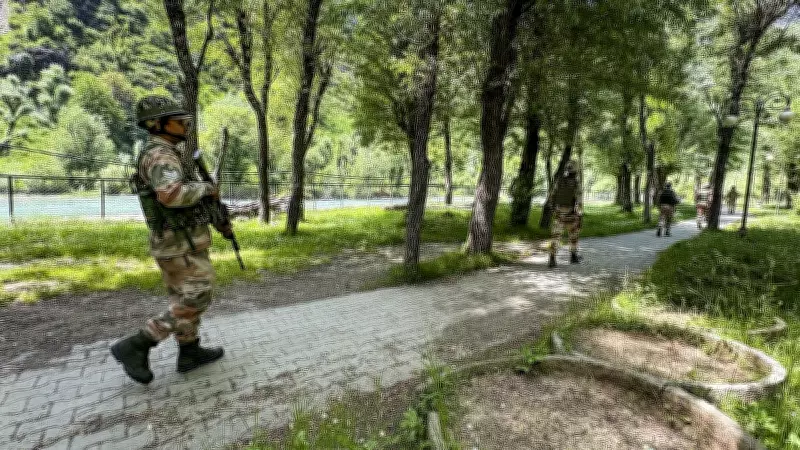
One Year After Pahalgam Attack: Kashmir's Journey of Loss and Resilience
As Kashmir marks the somber anniversary of the Pahalgam attack, the region is engaged in deep reflection on the profound impacts of terrorism. The incident, which occurred a year ago, has left indelible scars on the local community, affecting everything from economic livelihoods to social dynamics. This period of remembrance highlights how the costs of such violence are borne primarily at the grassroots level, even as most Kashmiris continue to firmly reject extremist ideologies.
Economic Fallout: Tourism Losses and Livelihood Struggles
The attack in Pahalgam, a renowned tourist destination in Jammu and Kashmir, has dealt a severe blow to the local economy. Tourism, which serves as a vital lifeline for many residents, has seen a significant decline in the aftermath. Hotels, guides, and small businesses that rely on visitor influx have reported substantial financial losses, with some struggling to stay afloat. This economic downturn has exacerbated existing challenges, forcing families to adapt to new realities and seek alternative sources of income.
Beyond the immediate financial strain, the attack has also led to a ripple effect across related sectors. Local artisans and vendors, who depend on tourist spending, have faced reduced sales, while transportation services have experienced a drop in demand. The broader impact underscores how terrorism disrupts not just security but the very fabric of daily life, with communities bearing the brunt of these disruptions.

Social Stigma and Community Resilience
In addition to economic hardships, the Pahalgam attack has introduced layers of social stigma for residents. Many Kashmiris report feeling unfairly stereotyped or marginalized in the wake of such incidents, which can lead to isolation and psychological distress. This stigma often manifests in everyday interactions, affecting personal relationships and community cohesion.
Despite these challenges, the spirit of resilience among Kashmiris remains strong. Local initiatives and support networks have emerged to help those affected, fostering a sense of solidarity. Community leaders and ordinary citizens alike are working to rebuild trust and promote peace, emphasizing that violence does not represent the aspirations of the majority. This resilience is a testament to the enduring strength of the Kashmiri people in the face of adversity.
Rejecting Violence: A Unified Stance
As Kashmir reflects on the past year, there is a clear consensus among residents against terrorism. Most Kashmiris have voiced their rejection of violent means, advocating instead for dialogue and peaceful resolution of conflicts. This stance is rooted in a desire for stability and prosperity, with many calling for greater efforts to address the root causes of unrest.
The aftermath of the Pahalgam attack has also sparked conversations about security measures and policy responses. While some improvements have been noted, locals emphasize the need for sustainable solutions that prioritize human welfare and economic recovery. The ongoing reflection serves as a reminder of the collective will to move forward, with hope for a brighter future free from violence.

