AAP's Strategic Rebuild: Kejriwal's Quiet Comeback After Delhi Loss
Almost a year since the Aam Aadmi Party (AAP) was voted out of power in Delhi, its leader Arvind Kejriwal has been quietly working to strengthen the organization. Following a stinging electoral defeat, Kejriwal has embarked on a methodical regrouping effort, but the party faces tough electoral tests ahead.
The Aftermath of Defeat
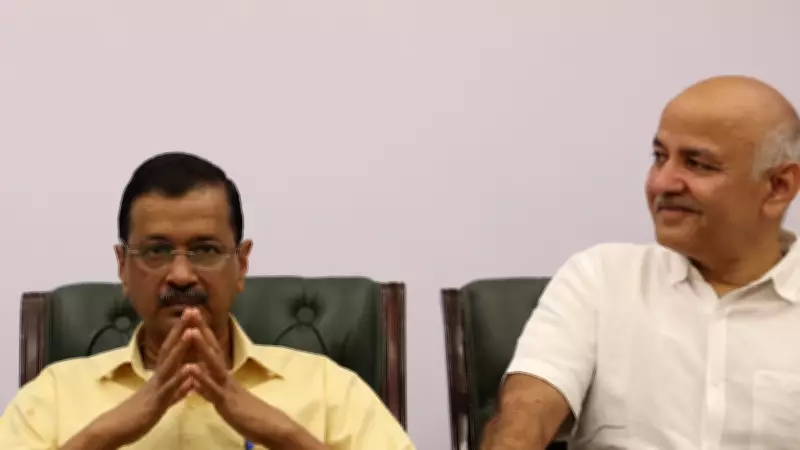
On February 8, 2025, Arvind Kejriwal watched as Delhi's reins slipped from his grasp. At his residence on 6 Flagstaff Road, he maintained constant contact with the AAP election war room, appearing visibly upset but composed, according to party insiders. This election was crucial—it would have made Kejriwal Delhi's longest-serving chief minister, surpassing Sheila Dikshit, and vindicated the party after years of corruption allegations and conflicts with the central government.
However, the results were harsh: AAP secured only 22 seats in the 70-member Assembly, down from 64 in the previous election. Prominent leaders like Manish Sisodia and Saurabh Bharadwaj also lost their re-election bids. Around 2 pm on results day, Kejriwal recorded a video message accepting the mandate and then retreated from public view for months.

Quiet Reflection and Reorganization
For the next 15 days, Kejriwal remained indoors, engaging in what insiders called an "aatm manthan" or self-assessment exercise. Contrary to speculation about him moving to Punjab or the Rajya Sabha, he focused on organizational rebuilding. He met with each candidate and senior party hands to analyze AAP's performance in all 70 Delhi Assembly seats, down to the civic ward level. This period saw tough decisions, including redeploying senior leaders to different states.
Key redeployments included Manish Sisodia and Satyendar Jain shifting to Punjab, Atishi being deployed in Goa, Gopal Rai in Gujarat, and Saurabh Bharadwaj taking charge of Delhi. The directive was clear: build the party from the ground up and do not return to Delhi unless instructed. This strategy, however, sparked unease in Punjab, with the Opposition alleging remote control of the Bhagwant Mann government.
Public Reemergence and Opposition Role
Kejriwal made his first public reappearance in late June last year at Jantar Mantar, leading a protest against demolition drives. By New Year's Eve, he joined party workers for a celebration, where the poll song "Phir Se Kejriwal" was played, marking a shift from disappointment to renewed energy. AAP has since been a vocal Opposition in Delhi, challenging the Rekha Sharma government on issues like pollution, welfare payments, and school fee hikes. For instance, after a fatal accident involving a Delhi Jal Board pit, Kejriwal described it as a "murder," showcasing his active engagement.
Future Priorities and Electoral Challenges
Kejriwal's public appearances remain limited, primarily in Punjab and Gujarat, as part of a deliberate strategy. AAP insiders outline three top priorities: retaining Punjab, winning Goa, and expanding in Gujarat and Uttar Pradesh. All these states have elections next year, serving as a litmus test for the party's recovery.
Retaining Punjab is deemed crucial to safeguard AAP's national footprint and enable expansion into Himachal Pradesh. The party is also building its organization in UP and Gujarat, with Kejriwal personally involved in micro-meetings to vet candidates based on merit rather than winnability or family connections. This return to grassroots methods reflects lessons learned from the Delhi defeat.
As AAP navigates these challenges, Kejriwal's quiet yet strategic rebuild aims to position the party for a stronger comeback in upcoming polls, emphasizing organizational depth and electoral readiness.