

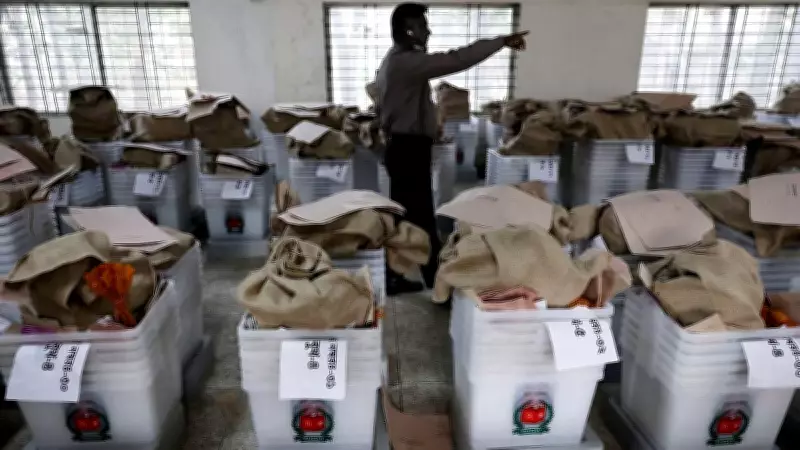
Bangladesh's February 12 Election Confronts Major National Challenges
As Bangladesh heads to the polls today, the nation faces a pivotal moment marked by a series of pressing issues that could shape its political and economic future. The election, held on February 12, 2026, is not just a routine democratic exercise but a critical juncture addressing deep-seated problems that have impacted millions of citizens.
Corruption: A Persistent Electoral Concern
Corruption remains a dominant theme in this election, with allegations of graft and mismanagement clouding the political landscape. Voters are expressing frustration over perceived lack of transparency and accountability in governance, making anti-corruption measures a key demand from candidates across the spectrum.
Inflation and Economic Development Under Scrutiny
The soaring inflation rates have severely affected the daily lives of Bangladeshis, eroding purchasing power and increasing the cost of essential goods. This economic strain is coupled with broader concerns about sustainable economic development, as voters seek policies that promise stability and growth beyond immediate relief.

Employment Crisis Fuels Voter Discontent
High unemployment and underemployment rates are fueling significant voter discontent, particularly among the youth. The election has become a platform for debating job creation strategies and addressing the mismatch between skills and market demands, with employment emerging as a top priority for many.
Political Ban on Awami League Adds Complexity
A notable complication in this election is the ban on Sheikh Hasina's Awami League party, which has altered the political dynamics. This restriction has led to questions about electoral fairness and representation, influencing campaign strategies and voter perceptions in a highly charged atmosphere.
Other Critical Issues Shaping the Vote
Beyond these core challenges, the election also touches on additional factors such as social inequality, infrastructure deficits, and environmental concerns. These issues collectively underscore the multifaceted nature of Bangladesh's current political climate, where voters are weighing a complex array of factors in their decision-making.
In summary, the February 12 election in Bangladesh is a critical event defined by corruption, inflation, employment, and political restrictions. As the country votes, the outcomes will likely hinge on how effectively these challenges are addressed by the competing political forces, setting the stage for the nation's trajectory in the coming years.






