

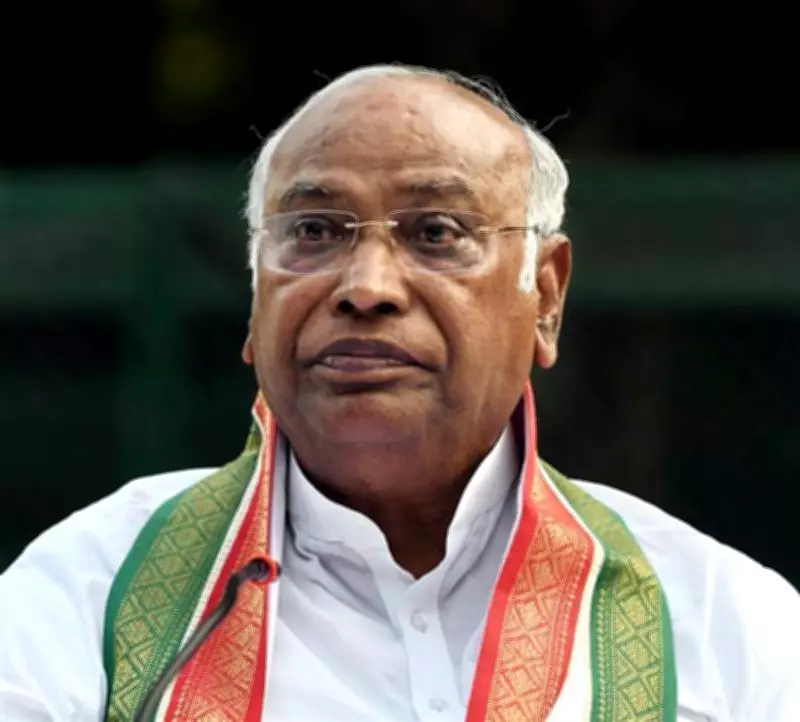
Kharge Alleges Modi Government's Intent to Muffle Opposition Voices in Rajya Sabha
In a sharp critique of the ruling dispensation, Congress President and Leader of the Opposition in Rajya Sabha, Mallikarjun Kharge, has accused the Narendra Modi-led government of deliberately obstructing the opposition's right to speak in the Upper House of Parliament. This accusation comes in the wake of a significant walkout by opposition members, highlighting escalating tensions over parliamentary decorum and democratic discourse.
Opposition Walkout Precipitates Heated Allegations
The controversy erupted following a coordinated walkout by opposition parties from the Rajya Sabha, protesting what they termed as unfair practices and a systematic attempt to sideline dissenting voices. Kharge, in his statement, emphasized that this action was not merely a spontaneous protest but a response to a perceived pattern of behavior by the government. He asserted that the Modi administration has made up its mind to not allow the Leader of the Opposition to speak, thereby undermining the foundational principles of parliamentary democracy where robust debate is essential.
Kharge's Stance on Democratic Erosion
Elaborating on his concerns, Kharge pointed out that such moves are indicative of a broader trend where the government is allegedly stifling opposition through procedural maneuvers and dismissive attitudes. This is not just about one session or one issue, he remarked, but about the health of our democracy where every voice, especially the opposition's, must be heard. He called for a return to constructive dialogue and respect for parliamentary norms, warning that continued suppression could erode public trust in democratic institutions.

Implications for Parliamentary Functioning
The allegations raise critical questions about the functioning of India's bicameral legislature, particularly the Rajya Sabha's role as a house of review and deliberation. Key points highlighted by Kharge include:
- The importance of the Leader of the Opposition's role in holding the government accountable.
- Alleged instances where opposition members have been denied adequate speaking time or faced interruptions.
- The potential impact on legislative processes and policy debates if such trends persist.
This incident underscores the ongoing political tussle between the ruling BJP and opposition parties, with both sides trading barbs over parliamentary conduct. While the government has yet to issue a formal response to Kharge's specific claims, past statements have emphasized adherence to rules and the need for orderly proceedings.
Broader Political Context and Reactions
This development occurs against a backdrop of heightened political polarization in India, where parliamentary sessions have often been marred by disruptions and heated exchanges. Opposition parties, including the Congress, have frequently accused the Modi government of centralizing power and marginalizing dissent, a charge that the BJP denies, citing its mandate and commitment to governance. The walkout and subsequent allegations are likely to fuel further debates on democratic norms and the balance of power in India's political landscape.
As the situation unfolds, observers are keenly watching how this will affect future parliamentary sessions and whether it will lead to any procedural reforms or reconciliatory measures. For now, Kharge's accusations have added a new layer of contention to India's vibrant yet often contentious democratic discourse.






