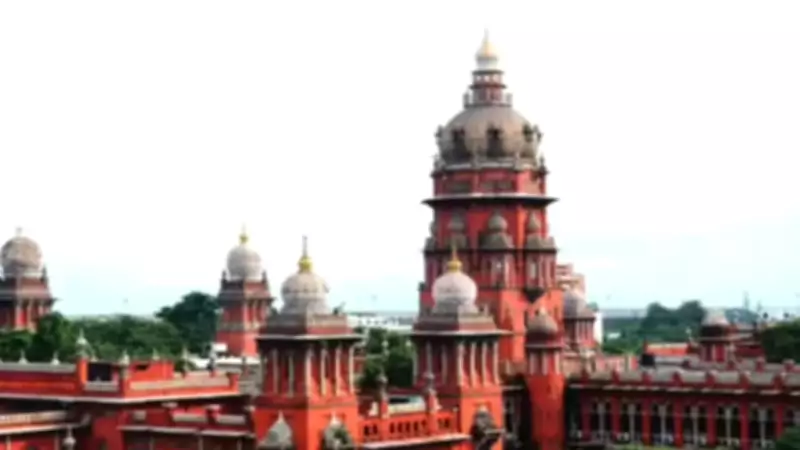
Madras High Court Refuses Interim Relief in Election Commission De-recognition Case
The Madras High Court, on Wednesday, declined to issue any interim orders to stay the Election Commission of India's (ECI) directive de-recognising several political parties. This decision affects groups such as the Manithaneya Makkal Katchi (MMK), Tamizhaga Makkal Munnertra Kazhagam (TMMK), Manithaneya Jananayaga Katchi, and another entity also named Manithaneya Makkal Katchi.
Grounds for De-recognition and Court's Stance
The Election Commission's order was based on the grounds that these parties failed to contest any elections over the past six years. In a firm ruling, the first bench comprising Chief Justice Manindra Mohan and Justice G Arul Murugan observed that granting interim relief would effectively amount to allowing the petitions themselves, thereby refusing any temporary reprieve.
Petitioners' Arguments Against the ECI Order
According to the petitioners, the Election Commission issued similar orders against a total of 476 political parties. They contended that this action was without jurisdiction, arguing that the commission lacks the authority to de-recognise a party once it is registered under Section 29A of the Representation of the People Act (RPA).

Representing the MMK, senior advocate P Wilson presented a detailed legal argument. He asserted that the ECI has no power to review registrations granted under Section 29A, except in cases involving fraud or declarations of unlawfulness under statutes like the Unlawful Activities (Prevention) Act 1967. This position, he noted, was established by the Supreme Court in the 2002 Indian National Congress case.
Wilson further argued that the MMK, registered in 2009, should not be subject to the 2014 guidelines relied upon by the commission, as these do not mandate continuous election participation for six years. He also challenged the procedural aspect, stating that the ECI secretary, who issued the order, does not constitute the Election Commission as defined in the RPA and cannot assume its powers.
He emphasized that the order purportedly strips parties of benefits under Sections 29B and 29C of the RPA, and such decisions should not be made mechanically due to their significant civil consequences.
The court's refusal to grant interim relief leaves the de-recognition orders in effect pending further legal proceedings, highlighting ongoing tensions between regulatory actions and party rights in India's electoral framework.