Twenty years on, the twin terror attacks that scarred the town of Malegaon in 2006 and 2008 have left more questions than answers, putting the spotlight firmly on investigative agencies and the judicial system. Despite the passage of two decades, no convictions have been secured in either case, underscoring the challenges in delivering justice for victims of terrorism.
The 2006 Malegaon Blasts
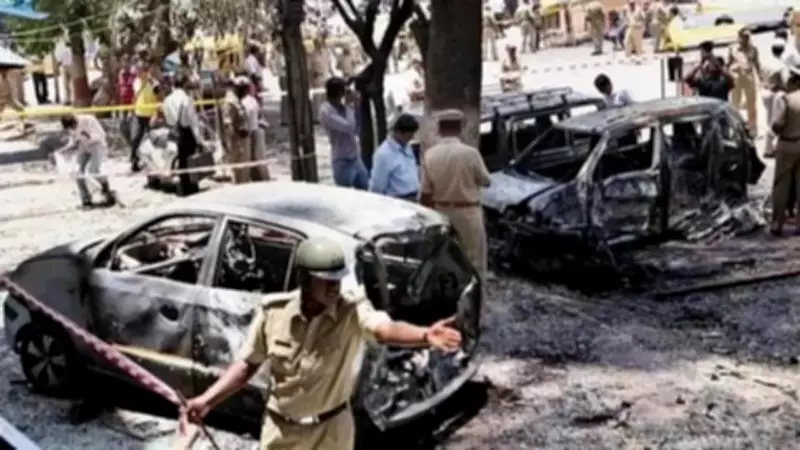
The first attack occurred on September 8, 2006, when a series of explosions ripped through a crowded market area in Malegaon, a textile town in Maharashtra's Nashik district. The blasts killed 37 people and injured over 100. Initial investigations pointed to local militant groups, but the case eventually took a different turn. The Maharashtra Anti-Terrorism Squad (ATS) arrested several suspects, but the trial dragged on for years. Key witnesses turned hostile, and evidence was disputed. In 2019, a special court acquitted all accused due to lack of evidence, dealing a major blow to the prosecution.
The 2008 Malegaon Blasts
Just two years later, on October 29, 2008, another series of blasts struck Malegaon, this time targeting a mosque and a hospital, killing six people and injuring dozens. The investigation initially focused on Hindu right-wing groups, with the ATS arresting several individuals, including prominent figures. However, the case took a controversial twist when the National Investigation Agency (NIA) took over and later claimed that the blasts were a conspiracy by terror modules. The trial has been mired in delays, with multiple changes in judges and arguments over the admissibility of evidence. As of 2026, the case remains unresolved, with no convictions.

Impact on Victims and Society
The lack of convictions has left victims and their families in a state of perpetual grief and frustration. Many have expressed anger at the slow pace of justice, with some alleging political interference. The cases have also highlighted systemic issues within India's criminal justice system, including witness protection, forensic capabilities, and judicial efficiency. Experts argue that the failure to secure convictions undermines public trust in the rule of law and emboldens perpetrators.
Questions Over Investigative Agencies
Both attacks have raised serious questions about the competence and impartiality of investigative agencies. In the 2006 case, the ATS faced criticism for its handling of evidence and witnesses. In the 2008 case, the NIA's approach has been questioned, with allegations of bias and procedural lapses. The shifting narratives and prolonged investigations have fueled speculation about hidden agendas and political pressure.
Judicial System Under Scrutiny
The Malegaon blast cases also put the judicial system under scrutiny. Lengthy trials, frequent adjournments, and the failure to secure convictions have exposed weaknesses in the prosecution process. Legal experts point to the need for specialized fast-track courts, better training for judges, and stricter laws to deal with terror cases. The acquittals and delays have also sparked debates about the adequacy of existing anti-terror legislation.
Conclusion
Two decades after the attacks that shook Malegaon, the quest for justice remains elusive. The twin blasts serve as a grim reminder of the challenges faced by India's investigative and judicial systems in dealing with terrorism. As the country moves forward, the lessons from these cases must be learned to ensure that future victims do not suffer the same fate. The need for reform is urgent, and the voices of those who lost loved ones must not be ignored.