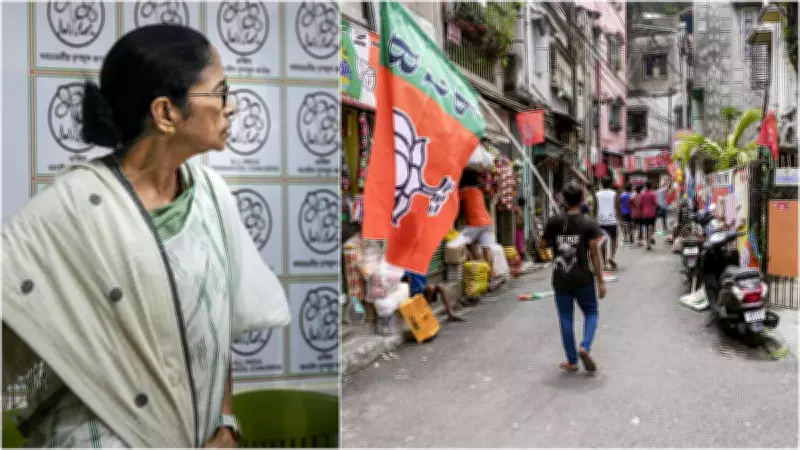
West Bengal Chief Minister Mamata Banerjee has declared that she will not resign from her post, despite her party losing the 2026 Assembly elections. This announcement has created a constitutional and political impasse, as the standard procedure for forming a new government requires the incumbent chief minister to tender their resignation to the governor.
The Constitutional Requirement
According to established norms, the first step in the transition of power after an election is the resignation of the sitting chief minister. This allows the governor to invite the leader of the winning party or coalition to form the government. Ms. Banerjee's refusal to step down has raised questions about the next course of action.
Possible Scenarios
- Governor's Intervention: The governor may ask Ms. Banerjee to prove her majority on the floor of the assembly. If she fails, the governor can recommend President's Rule under Article 356 of the Constitution.
- Legal Challenge: The opposition may approach the Supreme Court, arguing that the chief minister's refusal to resign is unconstitutional and against democratic principles.
- Political Negotiations: Behind-the-scenes talks may occur to resolve the deadlock, possibly involving a face-saving formula for Ms. Banerjee.
Reactions from Political Parties
The Bharatiya Janata Party, which emerged as the single largest party in the elections, has condemned Ms. Banerjee's stance, calling it a violation of democratic norms. The Trinamool Congress, however, has defended her position, stating that she will continue to serve until a new government is formed through proper constitutional means.

What Happens Next?
Political analysts suggest that the governor may summon Ms. Banerjee to discuss the situation. If she maintains her refusal, the governor could dismiss her government and impose President's Rule, leading to a period of central governance until a stable government can be formed. Alternatively, the opposition could file a no-confidence motion in the assembly.
The situation remains fluid, and all eyes are on the Raj Bhavan for the next move. The coming days will be crucial for West Bengal's political future.