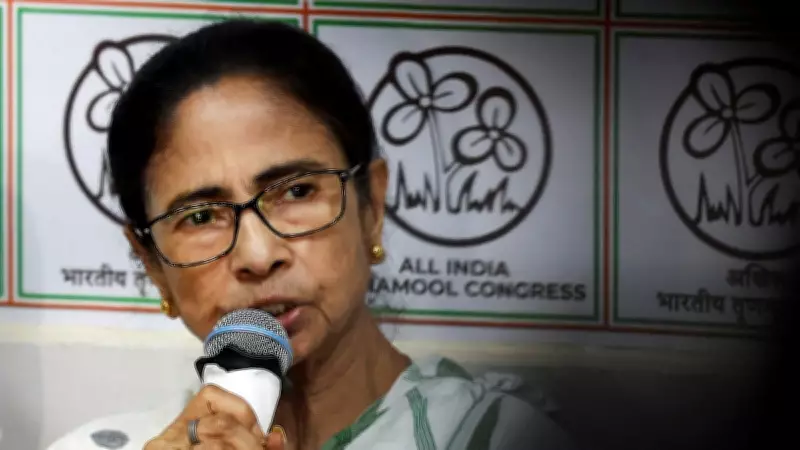
In an unprecedented political development, West Bengal Chief Minister Mamata Banerjee has refused to resign following her party's defeat in the recently concluded assembly elections. This defiance marks a new low in India's democratic fabric, as the state now faces a constitutional quagmire that has never been encountered before.
Uncharted Constitutional Territory
The situation presents a unique challenge to constitutional governance. Traditionally, a chief minister whose party fails to secure a majority steps down, paving the way for the winning alliance to form the government. However, Mamata's decision to cling to power despite the electoral verdict has left legal experts and political analysts scrambling for solutions.
Political observers note that this is not merely a legal issue but a test of democratic resilience. The governor's role becomes crucial as he must decide whether to dismiss the chief minister or wait for a confidence vote. The latter seems improbable given the clear majority of the opposition alliance.

Implications for Federalism
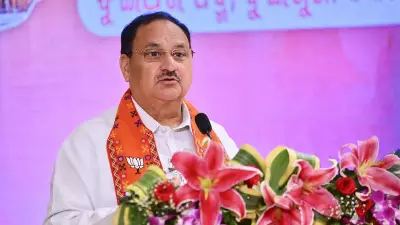
This standoff raises serious questions about the balance of power between the centre and states. The Bharatiya Janata Party, which emerged victorious, has called for immediate intervention by the governor, while the Trinamool Congress accuses the centre of undermining state autonomy.
The Election Commission's credibility is also under scrutiny, as the results have been challenged by the TMC alleging irregularities. However, no substantial evidence has been presented to the courts so far.
Public Reaction and Stability
Citizens across West Bengal have expressed mixed reactions. While some support Mamata's defiance as a fight against 'central dictatorship', others fear prolonged political instability. The state's economy, already reeling from the pandemic, faces further uncertainty.
Legal experts suggest that if Mamata continues to refuse resignation, the governor may recommend President's Rule under Article 356, a move that would be highly controversial and could set a dangerous precedent.
This episode underscores the fragility of democratic norms when personal ambition overrides constitutional morality. The coming days will be crucial in determining whether India's democracy can withstand such strains.