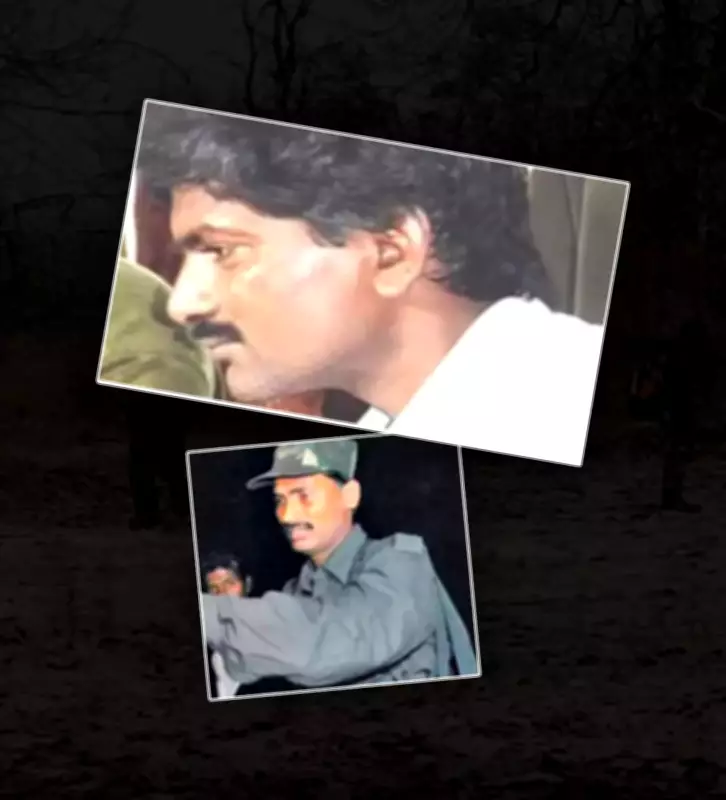
Top Maoist Commander Devuji Surrenders to Telangana Police
In a significant development in India's fight against left-wing extremism, senior Communist Party of India (Maoist) functionary Thippiri Tirupathi, widely known as Devuji, has surrendered to authorities. This move comes alongside the surrender of central committee member Malla Raji Reddy alias Sangram, marking a major blow to Maoist operations in the region.
Surrender Before Police Chief Ahead of Critical Deadline
Both Maoist leaders formally surrendered before Telangana police chief B Shivadhar Reddy on February 24, 2026. This timing is particularly noteworthy as it occurs just weeks before the Modi government's ambitious March 31, 2026 deadline to eliminate red terror nationwide. The surrenders add to a growing list of senior Maoist figures who have been captured, killed, or persuaded to surrender in recent years.
Is Left-Wing Extremism Nearing Its Endgame in India?
The surrender of Devuji and Sangram raises critical questions about the current state of left-wing extremism in India. With most senior Maoist leaders now out of action, many security analysts believe the movement is approaching its endgame. The government's comprehensive strategy combining security operations, development initiatives, and surrender policies appears to be yielding significant results.

The March 31 deadline looms large as a symbolic target for achieving a Naxal-free India. While complete elimination of left-wing extremism remains a complex challenge, the recent surrenders suggest substantial progress toward this goal. Security forces have intensified operations in Maoist-affected regions, while government programs aim to address the socio-economic roots of extremism.
Implications for National Security and Regional Stability
The surrender of such high-profile Maoist leaders represents more than just tactical victories. It potentially signals a weakening of the organizational structure and ideological appeal of left-wing extremism in India. As the March 31 deadline approaches, security agencies will be closely monitoring whether these surrenders translate into broader momentum against remaining Maoist elements.
The government's deadline has created both urgency and scrutiny around counter-insurgency efforts. While some experts caution that declaring victory prematurely could be risky, others point to the steady decline in Maoist violence and influence as evidence that the endgame is indeed within sight.