

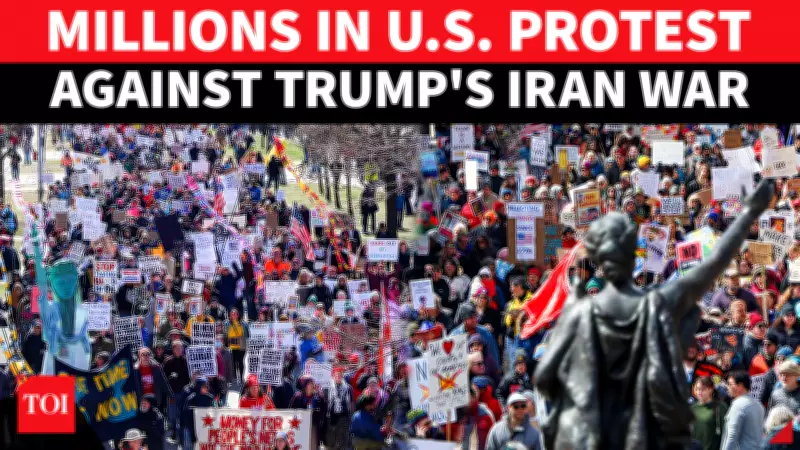
Massive 'No Kings' Protests Sweep US and Europe Amid Iran War Backlash
In a dramatic display of public dissent, millions of people across the United States and parts of Europe have erupted in widespread "No Kings" protests, expressing vehement opposition to the ongoing war in Iran and deep dissatisfaction with President Donald Trump's leadership. The demonstrations, which took place on March 29, 2026, highlight a significant grassroots movement challenging current foreign policy and domestic governance.
Unprecedented Scale and Geographic Reach
Organizers of the "No Kings" movement estimate that approximately 8 million participants joined more than 3,300 events nationwide in the United States alone, though official figures from authorities are still pending confirmation. The protests showcased an impressive geographic diversity, spanning from major metropolitan hubs to smaller rural communities.
In iconic urban centers like New York City and Washington, D.C., large crowds gathered at key landmarks, raising slogans and demanding accountability from the Trump administration. Simultaneously, the movement penetrated less expected locales, such as the small town of Driggs, Idaho, demonstrating the broad and deep-seated nature of the discontent.

International Solidarity and European Involvement
The wave of protest was not confined to American borders. Solidarity rallies were reported in several European cities, amplifying the international dimension of the opposition to the Iran conflict. This transatlantic coordination underscores growing global concerns about the war's escalation and its geopolitical ramifications.
Protesters in Europe echoed the sentiments of their American counterparts, calling for an end to military engagements in Iran and criticizing Trump's handling of the crisis. The international participation suggests that the "No Kings" movement has tapped into a wider unease about leadership and war strategies on a global scale.
Core Demands and Political Implications
At the heart of the demonstrations is a dual focus: ending the war in Iran and holding President Trump accountable for his policies. Participants voiced frustrations over the human and economic costs of the conflict, which has seen dangerous escalations, including missile strikes and regional instability.
The protests come amid a tense political climate, with recent headlines highlighting:
- Iran's aggressive military actions, such as firing barrages at the UAE and striking Saudi bases.
- Trump's controversial statements, including renaming the Strait of Hormuz after himself.
- Growing criticism from US senators over the lack of a clear strategy in the Iran war.
This public outcry could signal a pivotal moment in domestic politics, potentially influencing upcoming elections and policy decisions. The sheer scale of the "No Kings" protests indicates that the Iran war has become a flashpoint for broader dissatisfaction with Trump's presidency, resonating with millions who feel their voices are unheard in corridors of power.
As the situation develops, all eyes are on how the administration will respond to this massive display of civilian unrest, both at home and abroad.






