Stripped of protections and facing falling real wages, India's workers are demanding urgent corrective action. The material reality of labour in the country has become increasingly precarious, with many employed in informal sectors lacking basic safeguards. Real wages have declined, eroding purchasing power and living standards. Workers across industries are calling for policy interventions to address wage stagnation, job insecurity, and inadequate social security. The need for comprehensive labour reforms that protect workers' rights while fostering economic growth has never been more critical.
The Erosion of Worker Protections
Over the past decade, labour protections in India have weakened significantly. The informal sector, which employs over 90% of the workforce, remains largely outside the purview of labour laws. Workers in this sector face long hours, low pay, and no job security. Even in the formal sector, contract labour has increased, with many workers denied benefits such as provident fund, gratuity, and medical insurance. The gig economy has further exacerbated this trend, as platform workers are classified as independent contractors rather than employees.
Falling Real Wages
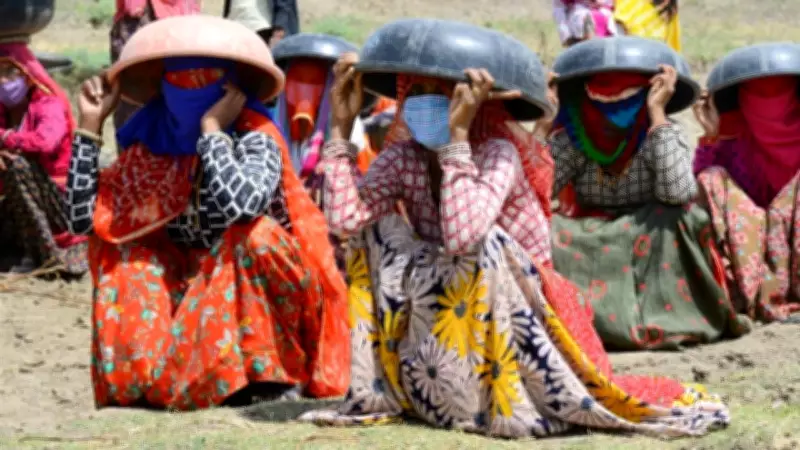
Despite nominal wage increases, real wages have fallen due to high inflation. The rising cost of essentials like food, fuel, and housing has outpaced wage growth. According to recent data, real wages in rural areas have declined by 5% over the past year, while urban wages have stagnated. This has forced many workers to take on multiple jobs or rely on debt to make ends meet. The situation is particularly dire for daily wage earners, who have seen their incomes shrink even as their expenses rise.

Demands for Corrective Action
Labour unions and civil society groups are demanding immediate corrective measures. Key demands include:
- Minimum wage revision: A periodic adjustment of minimum wages linked to inflation.
- Universal social security: Coverage for all workers, including those in informal and gig sectors.
- Stronger enforcement: Strict implementation of labour laws to prevent exploitation.
- Collective bargaining rights: Recognition of workers' right to unionize and negotiate.
Policy Responses
The government has introduced some measures, such as the Code on Wages and the Social Security Code, but implementation remains slow. Critics argue that these codes have loopholes that allow employers to bypass protections. For example, the definition of 'wages' in the new codes excludes many allowances, reducing the effective minimum wage. Moreover, the push for labour law simplification has often come at the cost of worker rights.
The Way Forward
Addressing the material reality of labour requires a multi-pronged approach. Policymakers must prioritize inclusive growth that generates quality jobs with decent wages. Investment in education and skill development is essential to equip workers for a changing economy. Additionally, strengthening social safety nets can mitigate the impact of economic shocks. The voices of workers must be heard in policy dialogues to ensure that reforms are equitable and sustainable. Without urgent corrective action, the plight of India's workers will only worsen, undermining the country's development goals.