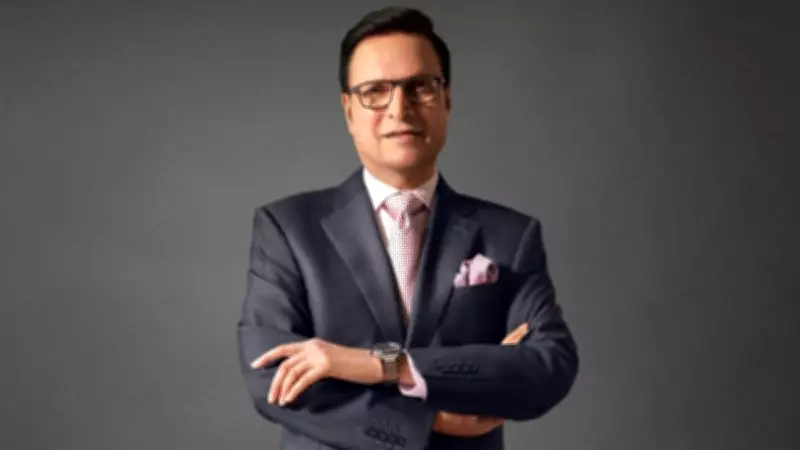
Prime Minister Narendra Modi's meeting with Italian Prime Minister Giorgia Meloni has sparked a political controversy, with Congress leader Rahul Gandhi expressing strong disapproval. In the latest episode of 'Aaj Ki Baat', Rajat Sharma delves into the reasons behind Rahul's anger and the broader implications for India's foreign policy.
The Modi-Meloni Meeting
The two leaders held bilateral talks focusing on trade, defense, and cultural exchanges. Both sides emphasized strengthening ties between India and Italy, with agreements signed in several sectors. The meeting was widely seen as a step forward in India's engagement with European nations.
Rahul Gandhi's Reaction
Rahul Gandhi criticized the meeting, alleging that the government is prioritizing foreign relations over domestic issues. He questioned the timing and substance of the dialogue, suggesting it was a diversion from pressing national concerns such as unemployment and inflation.

Aaj Ki Baat Analysis
Rajat Sharma, in his trademark style, examined the political undercurrents. He pointed out that Rahul's criticism may be part of a broader strategy to target the Modi government ahead of upcoming elections. However, Sharma also noted that diplomatic engagements are crucial for India's global standing and economic growth.
Key Points Discussed
- Strategic partnership between India and Italy
- Trade agreements and investment opportunities
- Defense cooperation and security issues
- Cultural and people-to-people ties
The show also highlighted the contrast between the government's narrative of a strong foreign policy and the opposition's focus on domestic grievances. Sharma concluded that while political rivalry is natural, national interests should remain paramount.
Broader Implications
India's relations with Italy have seen ups and downs in the past. The current meeting signals a renewed commitment to collaboration. Experts believe that such engagements are vital for India to counterbalance China's influence in the region and to secure technology and investment from Europe.
As the political debate continues, the public remains divided. Some support the government's proactive diplomacy, while others echo Rahul's concerns about internal issues. The coming weeks may see more such exchanges as the election season approaches.