

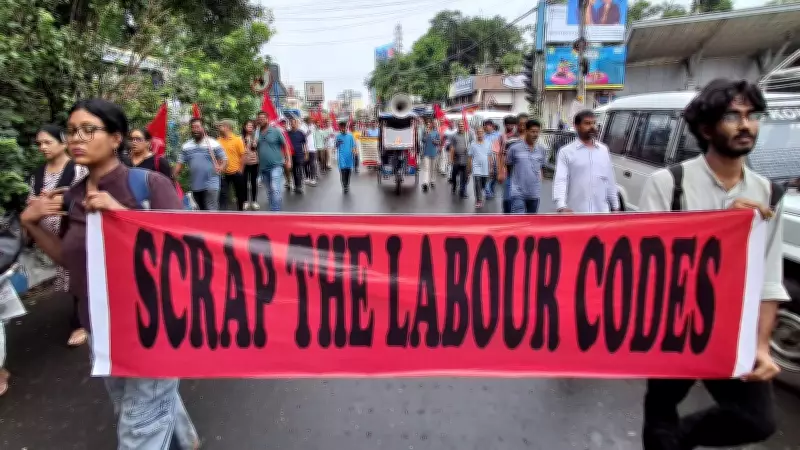
Nationwide General Strike Set for February 12: Massive Worker Mobilization Expected
India is bracing for a significant nationwide general strike on Thursday, February 12, 2026, with an estimated 30 crore workers anticipated to participate. This large-scale protest is being organized by 14 national trade unions and has garnered support from various sectors, including agricultural, rural, and informal workers, as well as employees and teachers from Central and State Civil Services.
Key Demands Driving the Strike
The strike has been called to address several critical issues affecting workers and farmers across the country. The primary demands include:
- Repeal of the four labour codes introduced by the government.
- Restoration of the Mahatma Gandhi National Rural Employment Guarantee Scheme (MGNREGS) to its original form.
- Rollback of policies perceived to weaken Civil Services and their functioning.
- Reinstatement of the old pension scheme for better retirement security.
- Withdrawal of the National Education Policy (NEP) 2020, citing concerns over its impact on education and employment.
In addition, farmers' organizations like the Samyukta Kisan Morcha (SKM) have expressed worries about the India-US interim trade framework, fearing it could negatively affect Indian farmers' livelihoods.

Expected Impact on Services and Regions
The strike is projected to affect approximately 600 districts nationwide, with significant disruptions anticipated in various states. According to Amarjeet Kaur, General Secretary of the All India Trade Union Congress (AITUC), Odisha and Assam are likely to experience a complete shutdown, while other states may face substantial disruptions in daily operations.
Services that could be impacted include:
- Banking operations, as employee organizations such as the All India Bank Employees' Association (AIBEA) have joined the protest.
- Public transport services, potentially leading to delays and cancellations.
- Government offices, with reduced functionality in many regions.
- Wholesale and retail markets, especially in areas with strong union presence.
However, essential services will remain operational. These exemptions cover hospitals, ambulance services, airports, medical facilities, private offices, and ATMs to ensure public safety and minimal disruption to critical infrastructure.
Educational Institutions and Local Closures
While there is no official nationwide holiday announced for schools and colleges, educational institutions in states like Kerala, Odisha, and West Bengal may remain closed due to robust local support for the strike. Reports indicate that these regions are expected to see high participation, potentially affecting academic schedules and activities.
Historical Context and Union Mobilization
This strike follows a previous agitation on July 9, 2025, which saw around 25 crore workers participating. The current protest aims to build on that momentum, with trade unions emphasizing the growing discontent among workers over labour reforms and policy changes. The involvement of diverse groups, from public sector undertakings to independent trade unions, underscores the widespread nature of the concerns being raised.
As the date approaches, authorities and citizens are advised to prepare for potential disruptions and stay informed through official channels. The strike highlights ongoing debates over labour rights and economic policies in India, with millions of workers voicing their demands for change.






