Nepal's 2026 Elections: Balen Shah's Meteoric Rise as Youth Icon
Nepal's parliamentary elections on March 5, 2026, mark a critical juncture in the nation's political landscape, coming just one year after massive Gen Z-led protests successfully ousted former Prime Minister KP Sharma Oli. These demonstrations were fueled by deep-seated anger over corruption and governance failures, setting the stage for a dramatic shift in power dynamics.
Balen Shah: From Rapper to Political Phenomenon
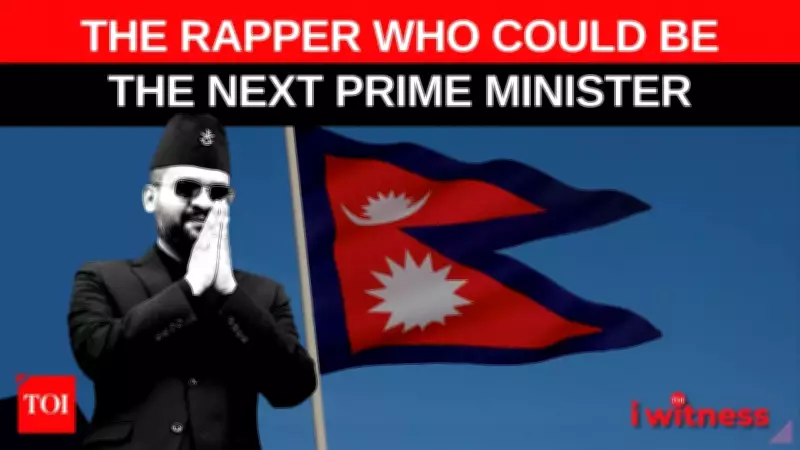
At the center of this electoral storm stands Balen Shah, the former rapper and Kathmandu mayor who has captured the imagination of Nepal's youth. Shah recently resigned from his mayoral position to contest Oli's traditional stronghold constituency under the banner of the Rastriya Swatantra Party (RSP). This bold move symbolizes the growing demand for generational change in a country where over 40% of the population is under 35 years old.
Shah's unconventional background sets him apart from Nepal's established political elite. His journey from creating viral protest anthems like "Nepal Haseko" to achieving a landslide victory in the 2022 Kathmandu mayoral election has transformed him into a powerful symbol of youth empowerment and anti-establishment sentiment.

The Youth Mobilization Factor
Young voters across Nepal have rallied behind Shah's campaign, drawn by his authentic persona and direct challenge to the country's geriatric political leadership. His message resonates particularly strongly with those frustrated by persistent unemployment issues and the dominance of dynastic politics that has characterized Nepal's governance for decades.
Shah's campaign style—from his distinctive sunglasses to his casual attire—has become a talking point that extends beyond traditional political discourse, making him a cultural as well as political phenomenon. This visual identity reinforces his image as a break from the conventional, suit-clad political class.
Symbol of Generational Change
Political analysts note that Shah represents more than just another candidate—he embodies the aspirations of a generation demanding accountability and fresh leadership. His decision to challenge Oli directly in what was considered a safe constituency demonstrates both confidence and strategic calculation, positioning him as a potential prime ministerial contender should his party perform well in the elections.
The Rastriya Swatantra Party, with Shah as its prominent face, has tapped into widespread disillusionment with traditional parties, offering what many young voters see as a genuine alternative to business-as-usual politics.
Broader Political Context
These elections occur against a backdrop of significant political realignment following last year's protests. The anti-corruption sentiment that fueled Oli's ouster continues to shape voter priorities, with transparency and governance reform emerging as central campaign issues across party lines.
Shah's rise reflects a broader regional trend of youth-driven political movements challenging established power structures, though his unique blend of cultural credibility and political ambition makes his case particularly noteworthy in the Nepali context.
As voters prepare to cast their ballots, all eyes remain on whether Shah's personal popularity can translate into electoral success for his party and whether this election will indeed mark the generational shift that so many young Nepalis have been demanding.