

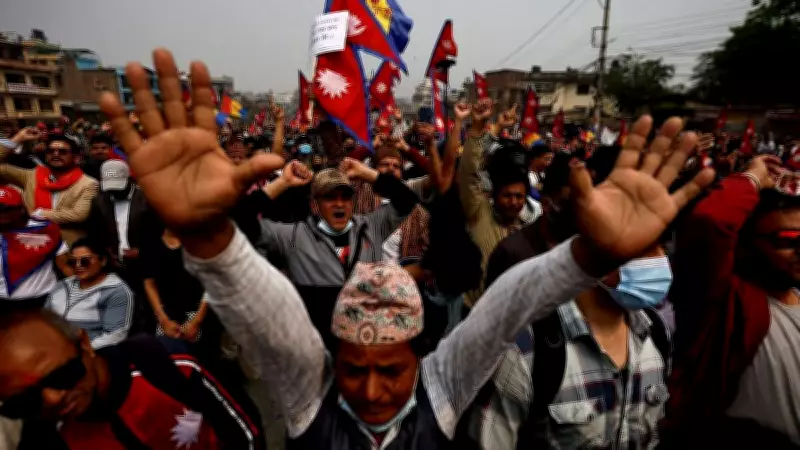
In a concerning turn of events, Nepal's new rulers appear to be repeating the old habits of selective accountability and democratic drift. The recent moves to ban unions and weaponise legal frameworks have raised alarms, potentially dragging the nation back toward authoritarian echoes reminiscent of its past.
Selective Accountability Undermines Democracy
The government's approach to accountability has been anything but uniform. While certain groups face stringent scrutiny, others enjoy impunity. This selective enforcement erodes the very foundation of democratic governance, where the rule of law should apply equally to all.
Banning Unions: A Blow to Workers' Rights
The decision to ban trade unions in key sectors has sparked widespread criticism. Workers' rights, a cornerstone of any democracy, are being curtailed under the guise of maintaining order. However, such measures often serve to silence dissent and concentrate power.

Weaponising the Law
Legal instruments are being used not to uphold justice but to target political opponents and suppress opposition. This weaponisation of law is a classic tactic of authoritarian regimes, where the judiciary becomes a tool of the executive.
Historical Parallels
Nepal's past is riddled with periods of autocratic rule. The current trajectory raises fears of a return to such times. The democratic gains of recent years are at risk if these trends continue unchecked.
International Concern
The international community has expressed concern over these developments. Democratic nations and human rights organisations have urged Nepal to uphold democratic principles and respect fundamental freedoms.
Way Forward
For Nepal to preserve its democratic identity, it must ensure equal application of laws, protect workers' rights, and avoid the pitfalls of selective accountability. The path forward requires a commitment to inclusive governance and the rule of law.






