Nepal's Political Landscape Transforms as Veteran Leaders Step Aside
As Nepal prepares for crucial voting on March 5, a significant political shift is unfolding along the country's open border with India. Two constituencies that have long been defined by their veteran representatives—Dadeldhura adjoining Uttarakhand's Champawat and Ilam bordering West Bengal's Darjeeling—will witness elections without the men who dominated them for decades.
End of an Era in Nepali Politics
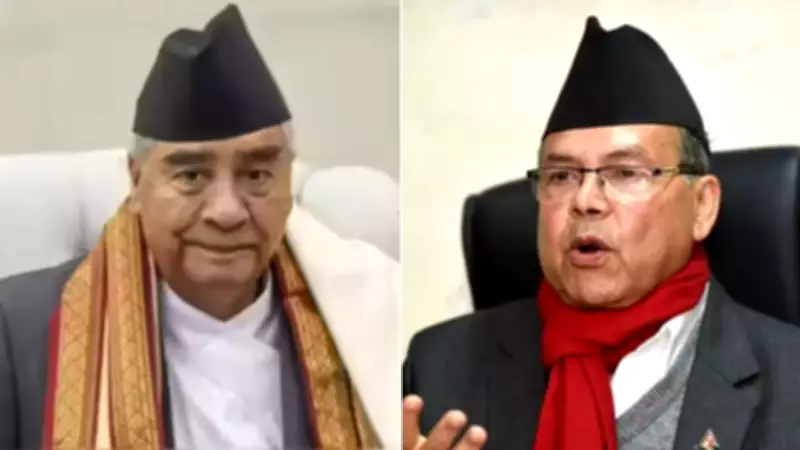
Former Prime Ministers Sher Bahadur Deuba and Jhala Nath Khanal have both withdrawn from the electoral fray following violent protests led by Nepal's Gen Z activists. This marks the first time since the restoration of multiparty democracy in the early 1990s that neither leader will contest from seats that had become synonymous with their political identities.
The departure of these political stalwarts represents a watershed moment in Nepal's democratic journey, signaling changing dynamics and growing pressure for generational transition in leadership.

Sher Bahadur Deuba's Withdrawal from Dadeldhura
Sher Bahadur Deuba, five-time Prime Minister and senior leader of the Nepali Congress, will not contest from Dadeldhura constituency—a development unprecedented since 1991. His decision followed significant internal upheaval within the Nepali Congress party.
The political landscape shifted dramatically when a faction led by Gagan Thapa successfully removed Deuba from the party presidency during a special convention. Subsequently, the Nepal Election Commission officially recognized the Thapa faction as the legitimate leadership of the Nepali Congress, effectively sidelining the veteran politician from his traditional power base.
Jhala Nath Khanal's Exit from Ilam
On Nepal's eastern frontier, another political heavyweight has stepped aside. Jhala Nath Khanal—former Prime Minister and senior leader of the Nepal Communist Party (UML)—will also be absent from the ballot in Ilam-1 constituency, which he had represented over multiple terms spanning several decades.
Khanal's decision came after his residence in Ilam came under attack during the same wave of unrest that targeted political leaders across party lines. The incidents included:
- Widespread arson at his premises
- Serious injuries reported among household members
- Property damage reflecting broader public discontent
Following these events, Khanal informed his party leadership that he would not contest the upcoming election, explicitly stating his desire to "leave space for younger leaders in Ilam."
Broader Implications of Political Transition
The simultaneous withdrawal of both veteran leaders highlights several important trends in contemporary Nepali politics:
- Generational Pressure: The Gen Z protests that precipitated these changes demonstrate growing youth activism demanding political renewal.
- Cross-Party Impact: The violence affected leaders across political affiliations, underscoring widespread public frustration with established political elites.
- Institutional Changes: Internal party dynamics, as seen in the Nepali Congress leadership struggle, are reshaping traditional power structures.
- Border Constituency Dynamics: The transformation in these strategically important border regions may influence Nepal-India relations and local development priorities.
As Nepal approaches its March 5 elections, the absence of Deuba and Khanal from their traditional strongholds represents more than just personal political decisions. It signals a potential turning point in the country's democratic evolution, where established patterns of representation are giving way to new political realities shaped by youth activism, internal party reforms, and changing public expectations.