Centre Plans New Union Territory with Districts from Bihar and West Bengal
The Central government is reportedly in the advanced stages of planning to establish a new Union Territory (UT) by carving out specific districts from the states of Bihar and West Bengal. This strategic move aims to enhance administrative efficiency and address regional development needs in the eastern part of India.
Details of the Proposed Union Territory
According to sources, the plan involves selecting districts from both Bihar and West Bengal to form the new UT. While the exact number and names of the districts have not been officially disclosed, insiders suggest that the selection is based on factors such as geographical contiguity, demographic patterns, and economic potential. The initiative is part of a broader effort to streamline governance and promote balanced growth across regions.
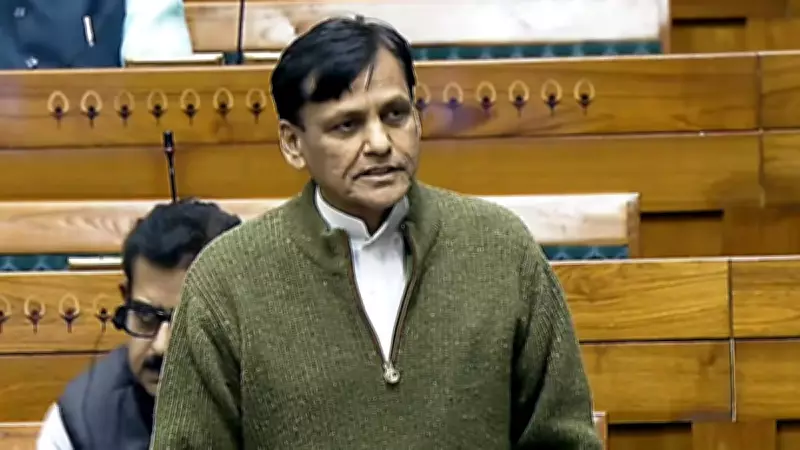
Union Minister of State (MoS) has categorically rejected claims made by political leader Pappu Yadav regarding the timeline for this project. Yadav had alleged that the Centre is targeting 2026 for the implementation of this plan, but the MoS clarified that no specific date has been set, and the process is still under review. The MoS emphasized that any such decision will be taken after thorough consultations with stakeholders and in accordance with constitutional provisions.

Political Reactions and Implications
The proposal has sparked mixed reactions from political circles. Supporters argue that a new UT could lead to better resource allocation and faster development in the affected areas. Critics, however, express concerns about potential disruptions to state boundaries and the impact on local governance structures. The move is seen as significant in the context of India's federal dynamics, especially given the historical and cultural sensitivities in Bihar and West Bengal.
Key aspects of the plan include:
- Enhancing administrative control and service delivery in the region.
- Addressing long-standing issues related to infrastructure and economic disparities.
- Aligning with national objectives for regional integration and development.
Next Steps and Future Outlook
The Centre is expected to conduct detailed feasibility studies and engage in dialogues with state governments before finalizing the proposal. Legal and constitutional experts are likely to be involved to ensure compliance with existing laws. If implemented, this could mark a major reorganization in eastern India, with potential ripple effects on politics, economy, and society.
As the debate continues, all eyes are on the Centre's next moves, with stakeholders awaiting official announcements for clarity on the timeline and specifics of this ambitious plan.