

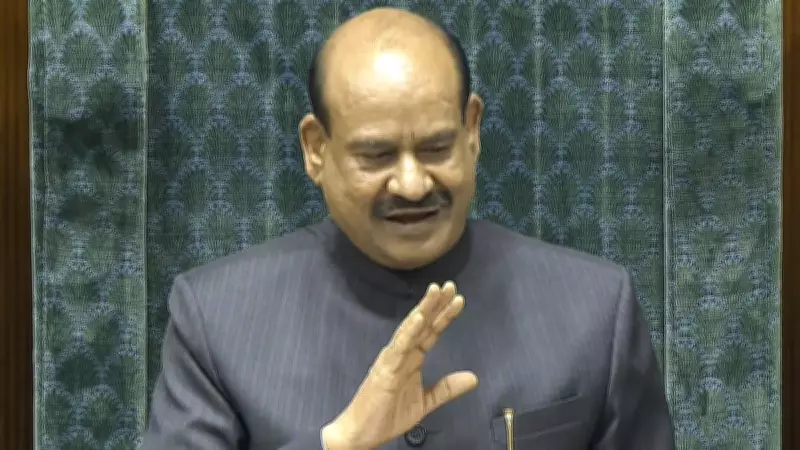
No-Confidence Motion Against Lok Sabha Speaker Om Birla: What Happens Now?
The political landscape in India is poised for a significant development as a no-confidence motion against Lok Sabha Speaker Om Birla is scheduled to be taken up on March 9. This date marks the commencement of the second phase of Parliament's Budget Session, setting the stage for a pivotal parliamentary event that could have far-reaching implications for governance and legislative processes.
Key Details of the Motion
The motion, filed against Speaker Om Birla, represents a rare and serious challenge within the Lok Sabha. According to reports, it will be addressed on the first day of the resumed Budget Session, highlighting its urgency and importance in the current political climate. This move underscores the ongoing tensions and debates within India's parliamentary framework, as lawmakers prepare to engage in what promises to be a heated discussion.
Implications for Parliamentary Proceedings
If the no-confidence motion proceeds, it could disrupt the normal functioning of the Lok Sabha, potentially delaying key legislative agendas. The outcome may influence the Speaker's role in maintaining order and facilitating debates, with broader effects on democracy and political stability in India. Observers are closely monitoring this situation, as it reflects the dynamic nature of Indian politics and the checks and balances inherent in its parliamentary system.

Background and Context
Om Birla, who has served as the Lok Sabha Speaker since 2019, is facing this motion amid a backdrop of political disagreements and strategic maneuvers. The Budget Session, a critical period for discussing financial policies and national budgets, now faces an added layer of complexity with this development. This event is not just a procedural matter but a test of parliamentary norms and the resilience of India's democratic institutions.
As the date approaches, all eyes will be on the Lok Sabha to see how this motion unfolds and what it means for the future of Indian politics. The resolution of this issue could set precedents for handling similar challenges in the years to come, making it a landmark moment in parliamentary history.






