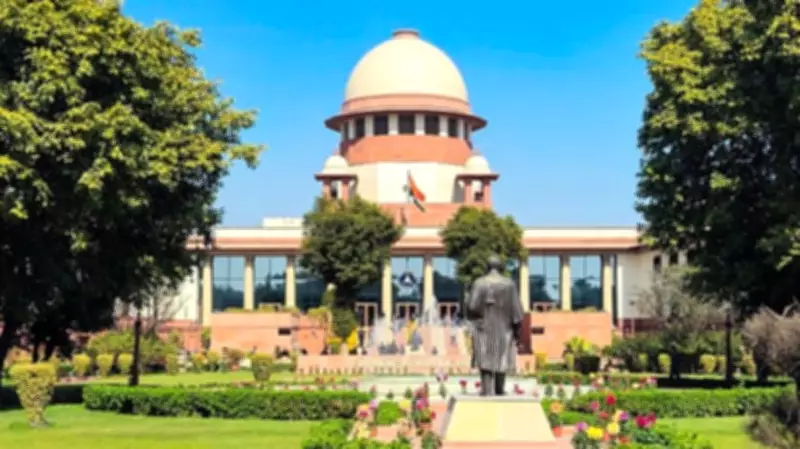
The Supreme Court of India has ruled that no cognisable offence is made out against Union Minister Anurag Thakur and Bharatiya Janata Party (BJP) leader Parvesh Verma in connection with alleged hate speech charges. The apex court's judgement, delivered on 1 May 2026, upheld the decision of the Delhi High Court, which had earlier concluded that the speeches in question did not disclose the commission of any cognisable offence.
Background of the Case
The case originated from complaints filed against Thakur and Verma for allegedly making inflammatory speeches during the anti-Citizenship Amendment Act (CAA) protests in December 2019. The complainants argued that their remarks incited hatred and violence, warranting criminal investigation. However, the Delhi High Court, after an independent assessment of the speeches, found no grounds to register a First Information Report (FIR) for hate speech.
Supreme Court's Observations
During the hearing, the Supreme Court bench noted that the high court had thoroughly examined the content and context of the speeches. The apex court emphasized that the high court's independent assessment was proper and that no interference was required. The judgement stated that the speeches did not meet the threshold required to constitute a cognisable offence under Indian Penal Code sections related to hate speech.

Legal Implications
The Supreme Court's ruling reinforces the principle that not every controversial or provocative speech qualifies as a cognisable offence. Legal experts point out that the judgement underscores the need for a careful evaluation of speech content, intent, and potential impact before invoking criminal provisions. The decision is likely to influence future cases involving allegations of hate speech, particularly in politically charged contexts.
Reactions and Next Steps
Both Anurag Thakur and Parvesh Verma welcomed the Supreme Court's verdict, stating that it vindicated their stance. The complainants, however, expressed disappointment and indicated that they would explore other legal avenues. The case has drawn significant attention as it touches upon the delicate balance between free speech and the need to prevent incitement to violence.
This judgement serves as a reminder that the legal system requires concrete evidence of an imminent threat or harm to classify speech as a criminal offence. While the court did not condone hate speech, it clarified that the speeches in question did not cross the legal line into criminality.