

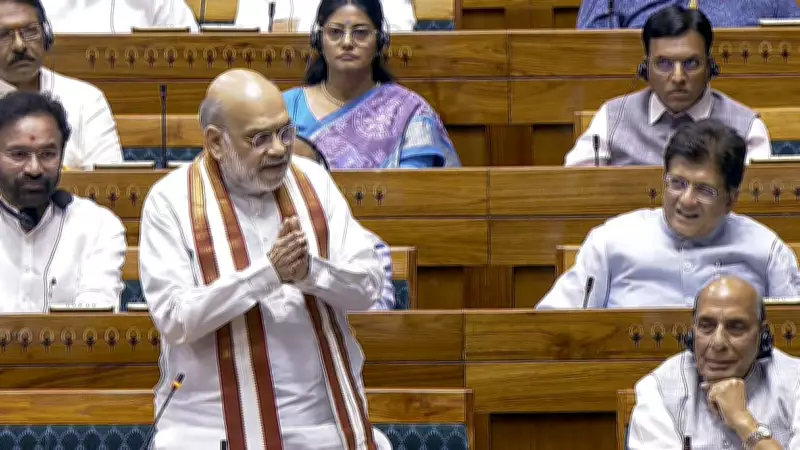
Lok Sabha Dismisses No-Trust Motion Against Speaker Om Birla in Voice Vote
The Lok Sabha, India's lower house of Parliament, has officially rejected a no-confidence motion against Speaker Om Birla. The motion was dismissed through a voice vote, a parliamentary procedure where members verbally express their support or opposition, without requiring a formal recorded division. This decision came during a session marked by heightened political tensions and opposition criticism of the Speaker's handling of parliamentary affairs.
Background and Context of the Motion
The no-trust motion was introduced by opposition parties, who have raised concerns about the Speaker's impartiality and management of House proceedings. Allegations include claims of bias in allowing debates, disruptions during key discussions, and procedural irregularities that they argue undermine democratic norms. The motion aimed to hold the Speaker accountable for these perceived lapses, reflecting ongoing friction between the ruling coalition and opposition benches.
Parliamentary Proceedings and Vote Outcome
During the session, the motion was put to a voice vote, where members shouted "aye" in favor or "no" against it. The Speaker, Om Birla, declared the motion rejected after assessing the vocal responses, indicating that the majority opposed it. This method avoided a detailed roll-call vote, which would have provided a precise count of supporters and detractors. The rejection underscores the ruling party's numerical strength in the Lok Sabha and its ability to swiftly quash such challenges.

- Opposition members argued that the Speaker has failed to ensure fair play, citing instances of rushed bills and limited discussion time.
- Government representatives defended Om Birla, praising his adherence to parliamentary rules and efficient conduct of sessions.
- The voice vote process was criticized by some opposition leaders as lacking transparency, though it is a standard parliamentary practice.
Political Implications and Reactions
The rejection of the no-confidence motion has significant political ramifications. It reinforces the Speaker's position and signals the ruling coalition's dominance in parliamentary maneuvers. Opposition parties have expressed disappointment, vowing to continue raising issues of parliamentary decorum and accountability. This event highlights the deepening divide in Indian politics, with debates often centered on procedural fairness and democratic integrity.
Analysis:This incident is not just about a single motion but reflects broader trends in India's political landscape. The use of a voice vote, while legal, may fuel perceptions of majoritarianism, where the ruling party leverages its majority to bypass detailed scrutiny. For Speaker Om Birla, this outcome bolsters his authority but also places him under increased scrutiny to maintain neutrality in future sessions.
Historical and Comparative Perspective
No-confidence motions against Speakers are rare in Indian parliamentary history, making this event noteworthy. Typically, such motions are reserved for extreme cases of misconduct or bias, indicating the severity of opposition grievances. Comparatively, in other democracies, similar motions often lead to extensive debates and recorded votes, emphasizing transparency. The Lok Sabha's approach here may set a precedent for handling such disputes in the future.
In conclusion, the rejection of the no-trust motion against Speaker Om Birla by voice vote in the Lok Sabha marks a pivotal moment in India's parliamentary proceedings. It underscores the ongoing political clashes and the challenges of balancing majority rule with opposition rights in a vibrant democracy.






