Omar Abdullah Endorses West Bengal's Renaming Demand Following Kerala's Approval
In a significant political development, National Conference leader Omar Abdullah has publicly backed the demand for West Bengal to change its name to Bangla. This support comes in the wake of the recent approval granted for Kerala's name change, sparking renewed discussions on state identity and historical nomenclature across India.
Background on the Name Change Movements
The push for renaming West Bengal has been a longstanding issue, with proponents arguing that the current name does not accurately reflect the state's cultural and linguistic heritage. Similarly, Kerala's successful bid to alter its name has set a precedent, encouraging other states to revisit their own nomenclature.
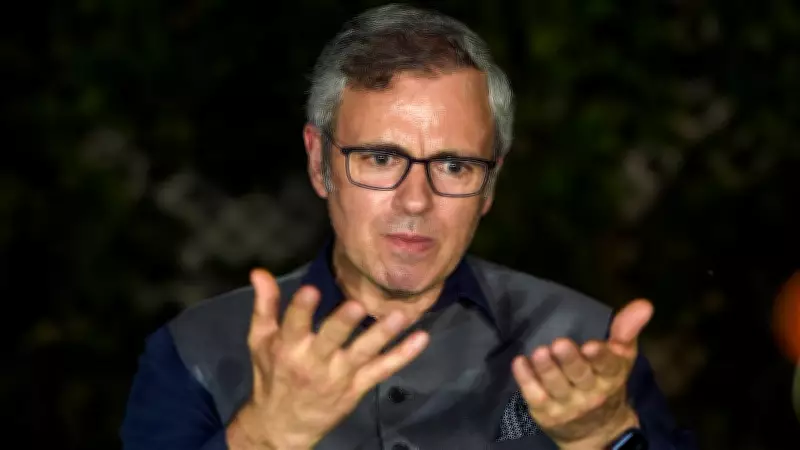
Omar Abdullah's endorsement adds a notable voice to this debate, as he emphasized the importance of respecting regional identities and historical contexts. "Just as Kerala has moved forward with its name change, West Bengal should also have the opportunity to assert its identity," Abdullah stated, highlighting the need for a uniform approach in such matters.

Political Implications and Reactions
This development has stirred varied reactions from political circles. Supporters view it as a step towards decolonizing state names and embracing indigenous terms, while critics caution against potential administrative complexities and the costs involved in such changes.
The timing of Abdullah's statement is particularly noteworthy, as it coincides with ongoing debates over federalism and state rights in India. By aligning with West Bengal's demand, he underscores the broader narrative of regional autonomy and cultural preservation.
Comparative Analysis with Kerala's Case
Kerala's approval for a name change, which involved extensive consultations and legal processes, serves as a model for West Bengal. Key aspects include:
- Engagement with linguistic experts and historians to validate the proposed name.
- Legislative approvals at both state and central levels.
- Consideration of administrative adjustments, such as updating official documents and signage.
Abdullah pointed out that if Kerala can navigate these challenges successfully, West Bengal should be afforded the same opportunity, provided it follows due process and consensus-building.
Future Prospects and Challenges
Looking ahead, the demand for West Bengal's renaming faces several hurdles:
- Securing bipartisan support within the state legislature.
- Obtaining clearance from the central government, which oversees such constitutional amendments.
- Managing the logistical and financial implications of implementing the change across various sectors.
Despite these challenges, Abdullah's backing could galvanize further support, potentially influencing other states to reconsider their names in line with cultural and historical accuracy.
In conclusion, Omar Abdullah's support for West Bengal's name change demand, following Kerala's approval, highlights a growing trend towards re-evaluating state identities in India. This issue not only touches on linguistic and cultural pride but also reflects deeper political dynamics surrounding federalism and regional representation.