Opposition Leaders Launch Scathing Attack on India-US Trade Framework
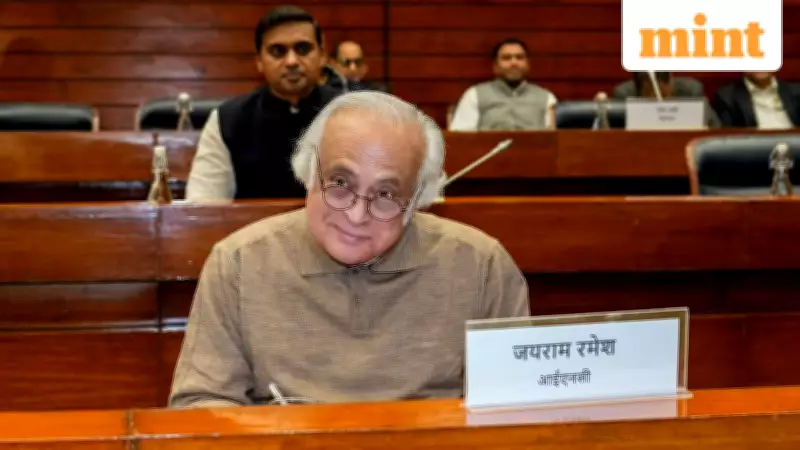
Senior opposition figures, including Congress leader Jairam Ramesh and Shiv Sena (UBT) MP Priyanka Chaturvedi, have launched a fierce critique of the newly announced India-US trade deal framework. The politicians accused the Indian government of capitulating to American demands, with Ramesh invoking a classic Bollywood line to suggest a breakdown in friendship, while Chaturvedi bluntly stated that New Delhi had "followed orders" from Washington.
Details of the Bilateral Trade Framework
According to the official joint statement released by both governments, India has committed to significantly "eliminate or reduce" tariffs on a vast array of US industrial goods. This sweeping concession extends to a broad spectrum of American agricultural and food products destined for the Indian market.
The specific products affected include:

- Dried distillers' grains and red sorghum for animal feed
- Tree nuts, fresh fruits, and processed fruits
- Soybean oil, wine, and spirits
- Numerous additional agricultural commodities
In a major economic commitment, the statement further reveals that India intends to purchase an enormous $500 billion worth of US exports over the coming five-year period. This planned procurement encompasses:
- Energy products and coking coal
- Aircraft and critical aircraft parts
- Precious metals and advanced technology products
Both nations have pledged to "promptly" implement this framework, working diligently toward finalizing an interim agreement. The ultimate objective is to conclude a comprehensive and mutually beneficial Bilateral Trade Agreement (BTA).
Opposition Outcry and Allegations of Surrender
The political backlash was immediate and severe. Congress leader Jairam Ramesh dismissed the joint statement as critically lacking in substance, being "silent on details." He took a direct jab at Prime Minister Narendra Modi, suggesting that "all the hugs and photo-ops have not amounted to much."
Ramesh poignantly quoted the iconic Mukesh song "Dost dost na raha" from the 1964 film Sangam, implying a fraying of the Indo-US partnership. He issued a detailed five-point critique, making several explosive claims:
- India will cease importing oil from Russia as part of this "historic" deal, a claim the Indian government has not yet confirmed.
- India will drastically slash import duties, a move he argues will benefit American farmers at the direct expense of their Indian counterparts.
- Annual imports from the USA are projected to triple, potentially erasing India's longstanding goods trade surplus.
Echoing this sentiment, Shiv Sena (UBT) leader Priyanka Chaturvedi asserted that the framework was not a product of negotiation but rather the result of an "order from the US that the Indian government has agreed to follow." She alleged the Centre had simply implemented "most of what US President had already said on Truth Social."
Broader Political Concerns and Calls for Parliamentary Scrutiny
The criticism extended beyond the two major opposition voices. Congress leader Manish Tewari expressed deep concern, stating, "The Industrial Sector seems to have been thrown wide open." He highlighted the concerningly broad language of the agreement, particularly the use of "including" rather than "limited to" for agricultural concessions.
Tewari demanded an urgent and comprehensive discussion in Parliament, warning of "portentous implications" due to what he described as "huge unilateral concessions across multiple Tariff lines" already granted in recent financial legislation.
Samajwadi Party leader Rajiv Rai framed the issue in starkly nationalistic terms, calling it "a compromise on the country's dignity" with "the destruction of farmers written into it." He contrasted the current administration with previous governments, accusing the "56-inch government" of handing over everything to its "'my dear friend Trump'."

Adding to the chorus, PDP MLA Aga Syed Muntazir Mehdi urged the government to prioritize safeguarding India's core economic interests. He cautioned that the deal should not appear designed merely "to make Donald Trump [and] some capitalist class happy," stressing that "our economic interests should not be surrendered."
The opposition's unified front paints the landmark trade framework as a potentially lopsided arrangement, setting the stage for a heated political debate over national sovereignty, economic policy, and the future of India's agricultural and industrial sectors.