

Opposition Rallies Against Modi Government Over India-US Trade Agreement
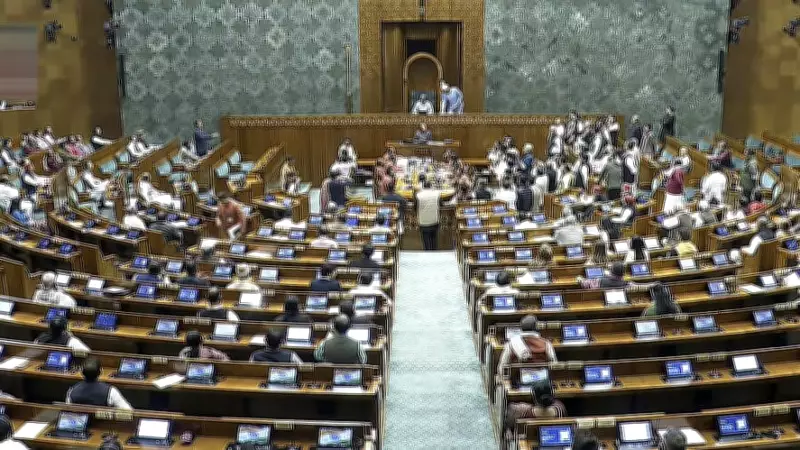
In a heated session of the Lok Sabha, senior opposition members have launched a scathing critique of the Modi administration's handling of the recently negotiated India-US trade deal. The political discourse has intensified, with key figures branding the agreement as fundamentally imbalanced and detrimental to the interests of vulnerable sections of Indian society.
Akhilesh Yadav Leads the Charge with Sharp Allegations
Samajwadi Party leader Akhilesh Yadav emerged as a vocal critic, delivering a pointed address that has resonated across the parliamentary floor. Yadav asserted that the Union Budget, presented alongside discussions of the trade pact, primarily benefits what he termed 'invisible people'—a veiled reference to corporate and elite interests. He passionately argued that the government's policies have systematically overlooked the pressing needs of the nation's poor, Dalit communities, religious minorities, and women.
"While the Budget and this trade deal might enrich a select few behind the scenes, it has forgotten the backbone of our nation—the marginalized and the disenfranchised," Yadav stated, encapsulating the opposition's core grievance. His remarks underscore a broader narrative that the economic partnership with the United States, while potentially boosting macro-economic indicators, fails to address deep-seated social inequities and may exacerbate them.

Broader Opposition Consensus on a 'One-Sided' Pact
The criticism extends beyond individual leaders, reflecting a consolidated opposition stance. Multiple parties have echoed concerns that the trade deal disproportionately favors American economic interests, potentially undermining India's domestic industries and agricultural sector. Key points of contention include:
- Alleged concessions on intellectual property rights that could impact India's generic pharmaceutical industry.
- Worries about market access for American agricultural products threatening local farmers.
- Questions over whether the deal adequately protects India's strategic economic sovereignty.
This parliamentary confrontation highlights the escalating political tensions as the government seeks to bolster international trade relations. The opposition's unified front suggests that the India-US trade deal will remain a contentious issue, subject to rigorous debate and scrutiny in the coming sessions. The government is yet to issue a comprehensive rebuttal to these specific allegations, setting the stage for further political maneuvering.






