The opposition INDIA bloc has announced plans for a series of mass protests across the country, targeting two contentious pieces of legislation: the Vande Bharat Act and the Ram G Act. This move signals a significant escalation in their political strategy against the ruling government.
Coordinated Opposition Strategy Takes Shape
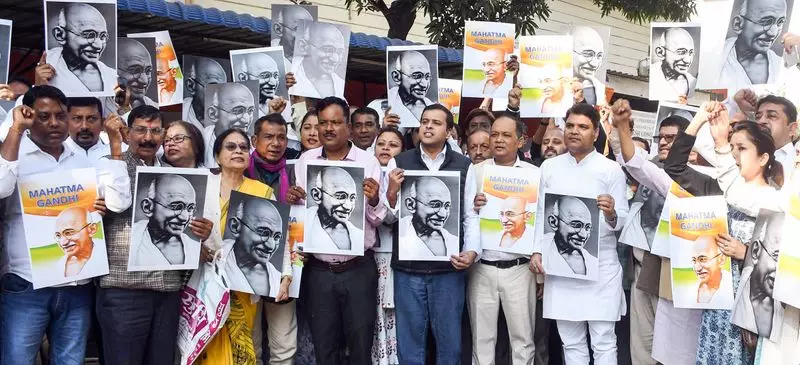
Senior leaders from the Aam Aadmi Party (AAP) and the Congress party are spearheading the planning for these large-scale demonstrations. The protests are a direct response to what the opposition alliance describes as "draconian" laws that threaten federal structure and democratic principles. The coordination between these major opposition parties highlights a unified front aiming to mobilize public dissent on a national level.
The protests are scheduled to be held in the coming weeks, with organizers promising significant turnout in multiple states. The planning indicates a shift from parliamentary debate to street-level agitation, reflecting the opposition's assessment of the current political climate.

Legal Challenges and Political Standoff
The core of the dispute lies in the opposition's firm rejection of both Acts. Leaders have condemned the Vande Bharat Act and the Ram G Act, arguing they overreach central authority and undermine state rights. This legal and political standoff is expected to dominate the national conversation in the near future.
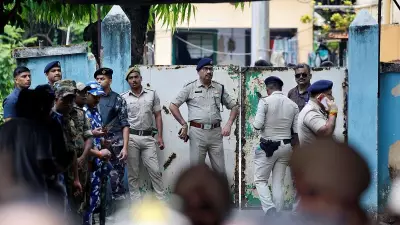
In a related development, Delhi Police have registered a First Information Report (FIR) against AAP Rajya Sabha MP Sanjay Singh. The charges are in connection with alleged protests held at the Prime Minister's residence. This legal action against a high-profile opposition figure is likely to add further fuel to the planned agitation, with parties claiming it represents political targeting.
Implications for National Politics
The announcement of mass protests marks a critical juncture for the INDIA bloc. It represents a concerted effort to translate political disagreement into a visible public movement. The success or failure of these demonstrations could have profound implications for the alliance's cohesion and public perception ahead of future electoral battles.
The coming weeks will be crucial as the opposition finalizes logistics, rally points, and mobilization strategies. The government's response to these protests, and the public's participation, will be closely watched by political analysts. This planned agitation is set to test the strength of the opposition coalition and its ability to channel widespread discontent into a sustained political campaign.
All facts, names, and details are based on the original reporting from The Tribune. The situation remains fluid, with further developments expected as protest plans are finalized and executed.