Owaisi Condemns Reported Assassination of Iran's Supreme Leader
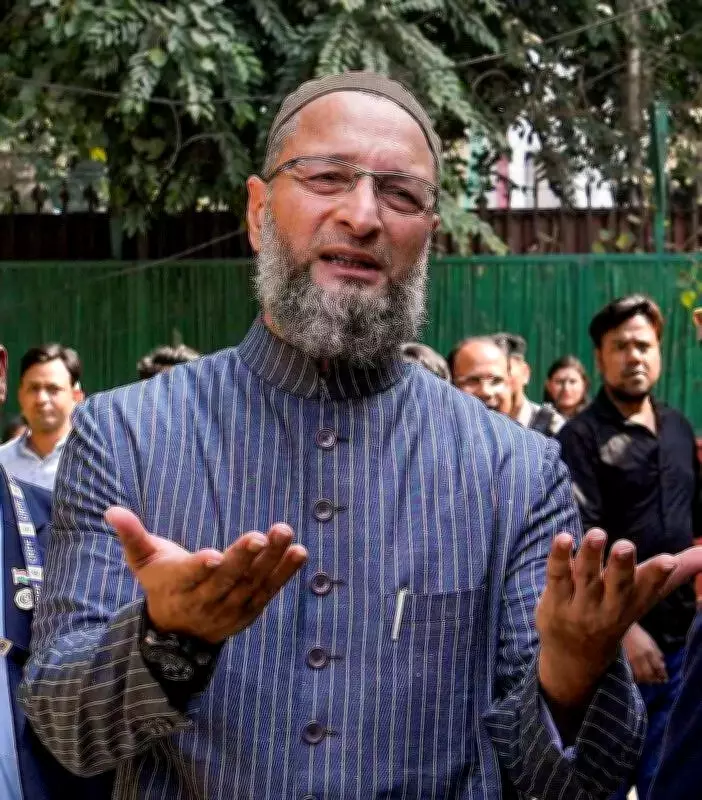
Hyderabad MP and AIMIM president Asaduddin Owaisi has strongly denounced the reported assassination of Iran's supreme leader, Ayatollah Ali Khamenei, labeling it an immoral and unlawful act. Speaking on Sunday, Owaisi expressed hope that the Indian government would issue a firm condemnation of the killing.
Warning of Serious Consequences
"We hope that the government of India will condemn the killing of Khamenei. If this illegal war does not stop, the consequences will be serious. We are underestimating the situation," Owaisi stated. He further criticized attempts by former US President Donald Trump and Israeli Prime Minister Benjamin Netanyahu to instigate regime change in Iran, asserting that such efforts will not be successful.
Casualties and Regional Impact
Citing reports of significant casualties, Owaisi highlighted that many have died in the conflict, including 108 students in an attack on a girls' school. The closure of airspace and ongoing bombardment across West Asia has severely impacted Indian expatriates working in the region, he noted.

Economic Implications for India
Owaisi warned that the instability in West Asia could have direct economic repercussions for India. Key concerns include:
- Rising oil prices due to regional tensions.
- Disruptions to remittances sent home by Indian workers abroad.
- Potential threats to the safety and livelihoods of expatriates in conflict-affected countries.
He urged the Indian government to take immediate action to ensure the protection and well-being of these workers, many of whom are employed in nations caught in the crossfire.
Broader Context of Regional Tensions
The remarks come amid escalating tensions in West Asia, with recent incidents such as:
- Israel attacks on Iran resulting in casualties.
- Iranian missile strikes affecting areas including Dubai, Doha, and Manama.
- International calls for de-escalation, such as the UAE urging Iran to "go back to your senses."
Owaisi's comments underscore the growing concern over how such conflicts could destabilize the region and impact global economies, particularly India's through its expatriate community and energy dependencies.