

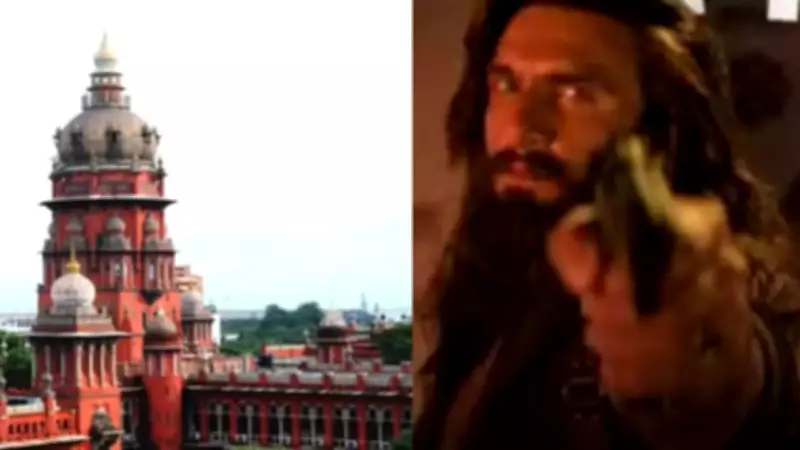
Madras High Court PIL Aims to Block 'Dhurandhar 2' Screening During Tamil Nadu Elections
A Public Interest Litigation (PIL) has been initiated in the Madras High Court, urging an immediate halt to the screening of the film 'Dhurandhar 2' across Tamil Nadu. The petition contends that the movie contains substantial political material, which could potentially breach the Model Code of Conduct (MCC) currently enforced in the state due to the ongoing assembly elections.
Petitioner's Argument: Alleged Violation of Election Norms
Advocate Sheela, representing the petitioner, made an urgent mention before the court on Monday, seeking a prompt hearing to stall the film's release. She argued that since the MCC has been in effect from March 15, allowing 'Dhurandhar 2' to be screened would be violative of electoral guidelines. The petitioner submitted that the film allegedly promotes views favoring a specific political party, thereby creating an uneven playing field during the sensitive election period.
In her plea, Sheela suggested a pragmatic solution: permitting the film's release in Tamil Nadu only after the completion of the assembly elections. This, she asserted, would ensure compliance with the MCC while allowing the movie to reach audiences at a later, non-disruptive time.

Court's Response and Procedural Direction
The first bench of the Madras High Court, comprising Chief Justice Sushrut Arvind Dharmadhikari and Justice G Arul Murugan, acknowledged the mention. However, they noted that the film has already been released, complicating the immediate request for a screening ban. The bench advised the petitioner to file a formal writ petition instead of relying on an oral urgent mention, emphasizing the need for proper legal documentation to consider such a plea.
This development highlights the intersection of entertainment and electoral integrity, as courts grapple with balancing artistic expression against the need for fair political processes. The case underscores the critical role of the Model Code of Conduct in maintaining a level electoral field, especially in a politically charged environment like Tamil Nadu.
As the petitioner prepares to submit a detailed writ petition, the film industry and political observers await further legal proceedings. The outcome could set a precedent for how courts handle similar disputes involving media content during election seasons, potentially influencing future releases and campaign strategies.






