PM Modi to Address Nation After Women's Quota Bill Defeat in Parliament
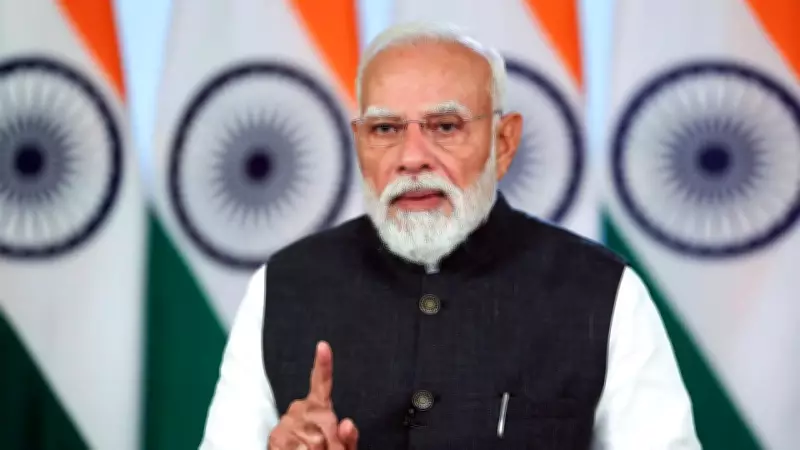
Prime Minister Narendra Modi is scheduled to address the nation at 8:30 PM on Saturday, April 18, 2026, following a significant legislative setback for the government. This address comes just one day after the Constitution (131st Amendment) Bill, which aimed to implement women's reservation in legislatures, was defeated in the Lok Sabha.
Legislative Defeat and Voting Details
The proposed women's reservation bill faced a decisive defeat during Friday night's voting session in the Lok Sabha. The legislation required a two-thirds majority for passage but fell significantly short of the required threshold. Official voting records show that 298 Members of Parliament supported the bill, while 230 voted against it. With 528 votes cast, the bill needed at least 352 affirmative votes to pass, leaving it 54 votes short of the constitutional requirement.
The defeated bill contained several key provisions aimed at increasing women's political representation:

- Increasing Lok Sabha seats from 543 to 816 to accommodate women's reservation
- Expanding seats in state and Union Territory assemblies
- Implementing 33% reservation for women across legislative bodies
- Timeline for implementation before the 2029 general elections
The legislation was tied to a delimitation exercise based on the 2011 Census data, which became a point of contention during parliamentary debates.
Political Reactions and Statements
Following the bill's defeat, political leaders from various parties have expressed strong opinions about the legislative outcome and its implications.
BJP Leadership Response: Former Union Minister and BJP leader Smriti Irani defended the legislation, stating that it aimed to strengthen ordinary women with political aspirations rather than create a new vote bank. "Women in the country, whether in 2014, 2019 or 2024, have supported PM Modi by voting for him," Irani said during a press conference at BJP Headquarters. She emphasized that the bill was designed to empower women who wish to contribute to national development.
Irani also took a swipe at opposition leaders, suggesting that those who have "inherited politics" may not fully understand initiatives aimed at empowering ordinary women. She specifically mentioned Congress leader Priyanka Gandhi Vadra in her remarks.
Opposition Perspective: Congress MP Jebi Mather called for Prime Minister Modi to apologize to the women of the country, accusing the government of using women as a tool to cover the delimitation process. "The Prime Minister should first apologize to the women of the country because they were used as a tool to cover the delimitation process," Mather stated. She urged the Prime Minister to accept defeat gracefully and commit to implementing the 2023 version of the women's reservation bill.
Rahul Gandhi clarified the opposition's position, stating that while they support women's quota in principle, they oppose linking it with delimitation. "The hidden agenda behind that Bill was delimitation. The idea was to reduce Tamil Nadu's representation in the Parliament of India and weaken southern and smaller states," Gandhi explained.
Government Strategy and Cabinet Meeting
According to sources familiar with the matter, Prime Minister Modi addressed the Union Cabinet on Saturday, directing ministers to expose what he described as the opposition's "anti-women" mindset. The Prime Minister reportedly stated that the Congress and other opposition parties would have to pay a price for not supporting the bill aimed at early implementation of women's reservation.
During the cabinet meeting, PM Modi reiterated his government's commitment to implement women's reservation by the 2029 Lok Sabha elections. He characterized the opposition's decision to vote against the bill as a "big mistake" that would have consequences. The Prime Minister instructed his cabinet colleagues to take this message to grassroots levels and highlight the opposition's stance among the general public.

Broader Political Context
The women's reservation bill has been a longstanding political issue in India, with various versions proposed and debated over several decades. The current legislative effort represents the latest attempt to address gender disparity in political representation at both national and state levels.
Smriti Irani highlighted what she described as the Congress party's historical record on women's issues, citing examples from previous administrations. "Women will remember that during six decades of Congress rule, 11 crore women in this country were deprived of access to toilets," Irani stated. She also mentioned banking access and gender budgeting as areas where she believes the current government has made significant improvements for women.
The BJP and its allies have continued protests following the bill's defeat, accusing the Congress and INDIA bloc of being "anti-women" and opposing women's progress. Meanwhile, opposition parties maintain that their objection is specifically to the delimitation aspect of the legislation rather than women's reservation itself.
As the nation awaits Prime Minister Modi's address, political observers are watching closely for indications of the government's next steps regarding women's political representation and how this legislative defeat might influence future policy initiatives and political strategies.