

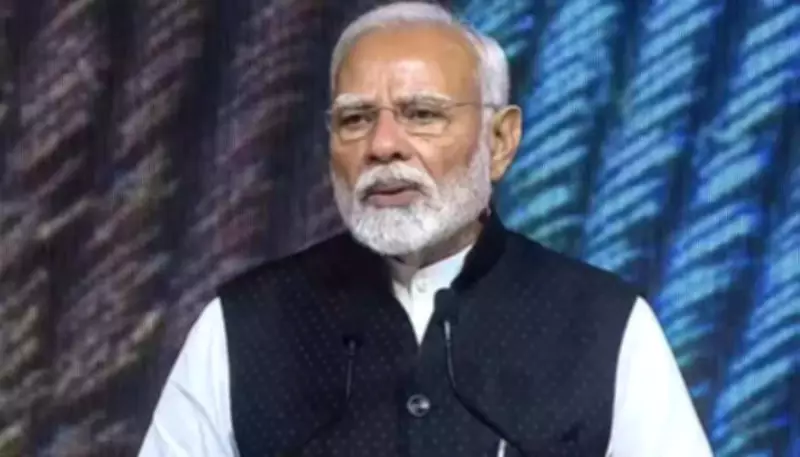
PM Modi's Historic Address from Seva Teerth Marks a New Chapter
Prime Minister Narendra Modi delivered his first official address from the newly inaugurated Seva Teerth, a significant moment that underscores a profound shift in India's administrative and symbolic landscape. This event highlighted the transformation of the iconic North and South Blocks in New Delhi, which have long been associated with the British colonial era.
From Colonial Symbols to Centers of Public Service
In his address, PM Modi emphasized how these historic buildings, once symbols of the British Empire's rule, are now being repurposed to serve the people of India. The North and South Blocks, which house key government ministries, are being reimagined as hubs of public service and governance, aligning with the government's vision of a self-reliant and progressive nation.
The inauguration of Seva Teerth represents a deliberate move to distance these structures from their colonial past and infuse them with a new identity rooted in Indian values and democracy. PM Modi noted that this change is not merely architectural but symbolic, reflecting India's journey from subjugation to sovereignty.

Key Highlights from the Prime Minister's Speech
- Historical Context: PM Modi recounted the legacy of the British Empire in India and how it left behind structures that once symbolized oppression and control.
- Modern Transformation: He detailed the efforts to convert these spaces into centers that prioritize citizen welfare and efficient governance.
- Public Engagement: The address underscored the government's commitment to making administration more accessible and responsive to the needs of the common people.
This event marks a pivotal step in redefining India's administrative ethos, moving away from colonial remnants towards a future-focused approach. The Prime Minister's words resonated with a call for national pride and collective effort in building a New India.
Implications for Governance and National Identity
The rebranding of North and South Blocks through Seva Teerth is expected to have far-reaching implications. It signals a broader policy shift towards decolonizing public spaces and institutions, fostering a sense of ownership and participation among citizens.
Experts view this as part of a larger narrative to strengthen India's cultural and political identity on the global stage. By reclaiming these symbols, the government aims to inspire confidence and unity, reinforcing the message that India's future is being shaped by its own people, free from colonial shadows.






