The Evolving Language of Political Protest in the Era of Visual Media
In today's fast-paced digital world, the grammar of political protest is undergoing a profound transformation. The age of optics, where visual media dominates public discourse, has reshaped how dissent is expressed and perceived globally. This shift reflects broader changes in technology, communication, and societal engagement.
Historical Context and Modern Adaptations
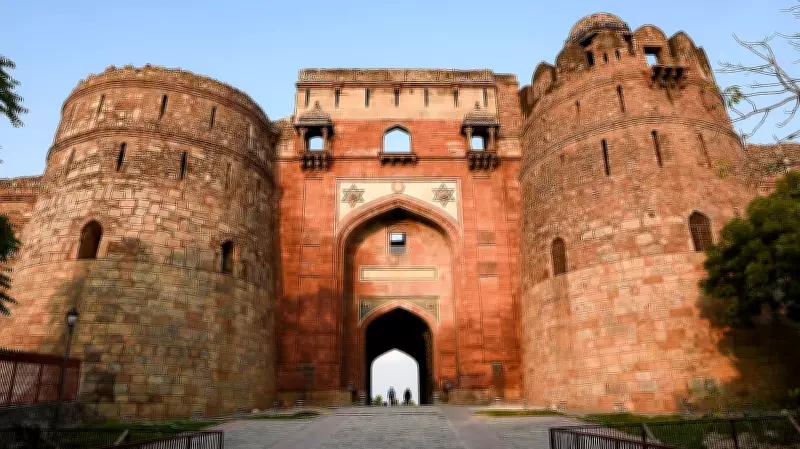
Historically, political protests often relied on physical gatherings, speeches, and printed materials to convey messages. Over centuries, as societies evolved, so did the methods of protest. For instance, in the context of urban development, cities like Delhi have seen rulers build new structures, lay gardens, and erect mausoleums and tombs in memory of the departed, eventually becoming capitals that symbolize power and change. Similarly, protests have adapted to new environments, moving from traditional forms to more visually-driven strategies.
The Role of Optics in Contemporary Protests
In the current era, optics play a crucial role in shaping political protests. Visual elements such as social media imagery, viral videos, and symbolic gestures have become central tools for activists. These methods leverage the power of sight to capture attention, evoke emotions, and spread messages rapidly across digital platforms. The focus on optics allows protests to transcend geographical boundaries, reaching a global audience in real-time.

Key aspects of this shift include:
- Enhanced Visibility: Protests are designed to be highly visible, using striking visuals to stand out in crowded media landscapes.
- Symbolic Actions: Activists employ symbolic acts, such as art installations or coordinated movements, that resonate visually with viewers.
- Media Engagement: There is a strategic use of media channels to amplify protest messages, ensuring they gain traction in news cycles and online discussions.
Implications for Public Discourse and Democracy
This evolution in protest grammar has significant implications for public discourse and democratic processes. On one hand, it empowers marginalized groups by providing new avenues for expression and mobilization. On the other hand, it raises challenges, such as the risk of misinformation or the oversimplification of complex issues through visual narratives. Understanding these dynamics is essential for navigating the modern political landscape.
As we look to the future, the interplay between protest and optics will likely continue to evolve, driven by technological advancements and changing societal norms. By analyzing these trends, we can better comprehend how political dissent is articulated and responded to in an increasingly visual world.