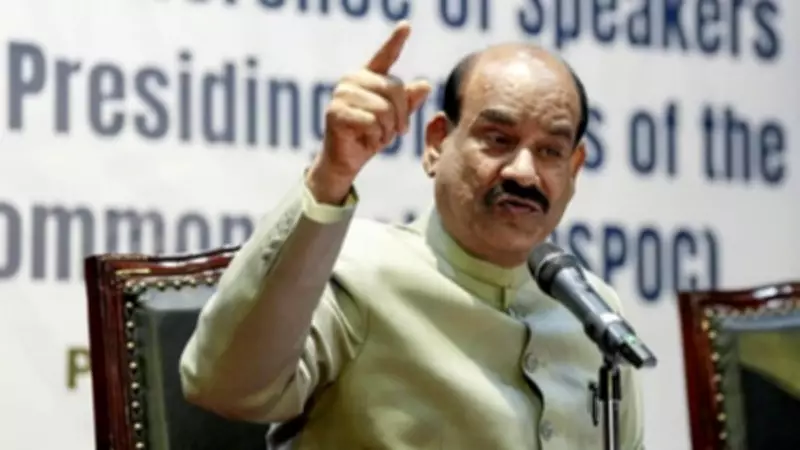
Opposition Seeks Removal of Lok Sabha Speaker Om Birla: Constitutional Procedure Explained
In a significant political development, opposition parties in India have initiated efforts to seek the removal of Lok Sabha Speaker Om Birla. This move has brought the constitutional procedure for impeaching a Speaker into sharp focus, raising questions about the grounds and mechanisms involved.
What Triggers the Removal of a Lok Sabha Speaker?
According to Article 94 of the Constitution of India, the office of the Speaker or Deputy Speaker of the Lok Sabha can be vacated under specific circumstances. These include resignation, ceasing to be a member of the House, or removal by a resolution passed by the Lok Sabha.
The removal process is not termed "impeachment" in the strict legal sense, as that term is typically reserved for the President and judges. Instead, it involves a formal resolution that must be moved with due notice and supported by a majority of the House.

Step-by-Step Procedure for Removal
- Notice of Resolution: A member must give at least 14 days' notice of their intention to move a resolution for the Speaker's removal. This notice must be in writing and specify the grounds for removal.
- Grounds for Removal: While the Constitution does not explicitly list grounds, they generally relate to misconduct, incapacity, or actions prejudicial to the dignity and impartiality of the office. The opposition's current move against Om Birla is likely based on allegations of partiality or procedural issues.
- Discussion and Voting: Once the notice is given, the resolution is listed for discussion. During the debate, the Speaker does not preside; instead, the Deputy Speaker or another member appointed by the House chairs the session. After discussion, a vote is taken.
- Majority Requirement: The resolution must be passed by a majority of all the then members of the Lok Sabha. This means more than 50% of the total membership must vote in favor, making it a high threshold that requires substantial support.
Historical Context and Current Scenario
Removing a Speaker is a rare event in Indian parliamentary history, reflecting the gravity of such a move. The opposition's push against Om Birla comes amid heightened political tensions and debates over parliamentary conduct.
Experts note that while the procedure is constitutionally mandated, its success depends heavily on the numerical strength and unity of the opposition. Given the current composition of the Lok Sabha, passing such a resolution would be challenging without cross-party consensus.
This development underscores the ongoing dynamics in Indian politics, where procedural tools are leveraged for broader political objectives. As the situation unfolds, it will test the adherence to constitutional norms and the balance of power within the legislature.