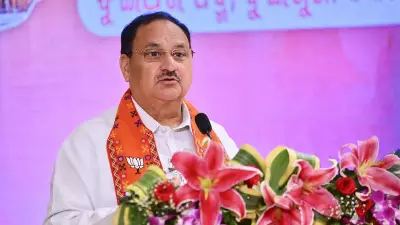
R N Ravi's Stormy Tenure as Tamil Nadu Governor Concludes with Transfer to West Bengal
The turbulent four-year term of R N Ravi as the governor of Tamil Nadu has officially ended. In a significant administrative reshuffle, Ravi will now assume the role of governor of West Bengal, replacing C V Ananda Bose, who submitted his resignation on Friday. According to an official release, Kerala governor Rajendra Vishwanath Arlekar will temporarily handle the duties of the Tamil Nadu governor until a permanent appointment is made.
Election Season Timing and Political Implications
Government sources have revealed that Union Home Minister Amit Shah personally informed Tamil Nadu Chief Minister M K Stalin about Ravi's transfer before the official announcement from the President's office. This strategic move occurs just days before the Election Commission is expected to declare the dates for the upcoming assembly elections, which will trigger the enforcement of the model code of conduct.
Sources indicate that Manipur governor Ajay Kumar Bhalla is likely to be appointed as the next permanent governor of Tamil Nadu, though this has not been officially confirmed. The timing suggests a deliberate effort to stabilize the political environment in Tamil Nadu ahead of the crucial electoral process.

A Tenure Marked by Persistent Confrontation
R N Ravi took office as the 26th governor of Tamil Nadu in 2021, shortly after the DMK government, led by Chief Minister M K Stalin, came to power. His tenure was characterized by continuous and often public disputes with the state administration. One of the most notable incidents occurred earlier this year when Ravi walked out of the legislative assembly without delivering the customary governor's address for the fourth consecutive time, citing alleged disrespect for the national anthem.
The conflict extended beyond symbolic gestures into substantive governance issues. The governor's office, known as Lok Bhavan, delayed action on several bills passed by the Tamil Nadu assembly. This led to a legal battle, culminating in a Supreme Court ruling in April 2025 that declared ten bills withheld by the governor as deemed to have received assent, effectively overriding his objections.
Impact on State Institutions and Academic Governance
The prolonged standoff between the governor and the state government had tangible consequences for Tamil Nadu's educational infrastructure. Due to the impasse, 14 out of 22 universities in the state operated without a permanent head for periods ranging from one to three years, disrupting academic and administrative functions. This vacancy crisis highlighted the broader institutional paralysis resulting from the political friction.
Following the latest confrontation in the assembly, Chief Minister Stalin announced that the DMK and its allies would initiate efforts to abolish the governor's address tradition, reflecting the depth of the discord. The transfer of Ravi is seen by many as a resolution to this protracted conflict, potentially paving the way for smoother cooperation between the central and state governments.
Broader Context and Future Outlook
This gubernatorial reshuffle is part of a larger pattern of adjustments in key administrative positions across India. The appointment of Ravi to West Bengal places him in another politically sensitive state, where his experience in handling state-center relations may be tested anew. Meanwhile, the interim arrangement with Kerala governor Arlekar ensures continuity in Tamil Nadu's gubernatorial functions during the transition period.
As Tamil Nadu prepares for elections, the removal of a contentious figure from the governor's office could influence the political narrative, with parties likely to frame it as a victory for state autonomy or a strategic central intervention. The coming weeks will reveal whether this change fosters a more collaborative environment or merely shifts the locus of political tension.