

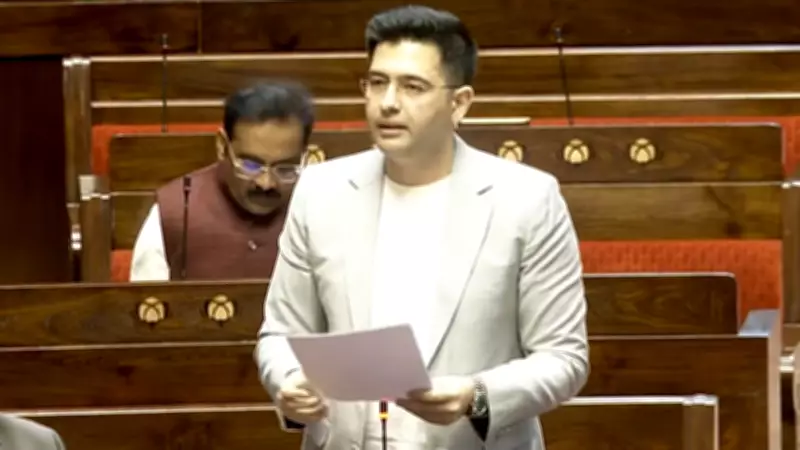
Raghav Chadha Demands 'Right to Recall' Law to Empower Indian Voters
Aam Aadmi Party (AAP) MP Raghav Chadha has made a compelling call for the introduction of a "Right to Recall" mechanism in India, arguing that voters should have the authority to remove elected representatives who underperform before their five-year term concludes. Speaking during the ongoing Budget Session 2026 in Parliament, Chadha emphasized that while Indian citizens possess the right to elect their leaders, they currently lack a formal process for direct mid-term accountability.
Empowering Citizens Through Democratic Oversight
Chadha described the proposal as a significant step toward "citizen empowerment," asserting that a right to recall could incentivize political parties to nominate more accountable candidates. He highlighted that this mechanism would strengthen democratic oversight by granting voters the dual power to both elect and de-elect their representatives. In a post on his official X handle, Chadha explained, "Right to Recall is a mechanism that empowers voters to de-elect an elected representative, before their term ends, if they fail to discharge their duties."
Global Precedents and Indian Context
The AAP national spokesperson pointed out that more than two dozen democracies worldwide, including the United States and Switzerland, have implemented some form of recall provisions initiated by voters. He questioned why Indian voters should be "forced to tolerate a non-performing MP or MLA for five full years," especially when other nations have established systems for mid-term accountability. Chadha drew a parallel to existing Indian procedures, noting, "If we can impeach the President, the Vice President and judges, and move a no confidence motion against an elected government mid term, then why should voters be forced to tolerate a non performing MP or MLA for five full years?"

Proposed Safeguards to Prevent Misuse
Recognizing the potential for misuse, Chadha proposed several safeguards to ensure the system's integrity. These include:
- An eighteen-month cooling-off period after elections to prevent immediate recalls.
- A requirement for at least 35-40% of voters to support a verified recall petition before any voting proceeds.
- Limiting recalls to cases of proven misconduct, corruption, or serious neglect of duty.
- Mandating that any recall succeed only if over 50% of voters support removal in a final vote.
Chadha emphasized that these measures would help balance voter empowerment with stability, stating, "This is citizen empowerment. It will push parties to field performers, reduce corruption, and bring democracy back to accountability."
Broader Implications for Indian Democracy
The call for a Right to Recall law reflects growing demands for enhanced political accountability in India. By allowing voters to "fire a neta" mid-term, as Chadha phrased it, this proposal aims to address concerns about underperformance and corruption among elected officials. It underscores a shift toward more participatory democracy, where citizens have greater control over their representatives' tenure. As debates continue in Parliament, this initiative could spark significant discussions on electoral reforms and the future of governance in India.






