The Lok Sabha witnessed unprecedented turmoil and legislative paralysis on Tuesday as a fiery debate over the India-United States trade agreement escalated into a full-blown political confrontation. The session, which was meant to discuss crucial national matters, quickly devolved into shouting matches, paper-throwing, and repeated adjournments, effectively halting all parliamentary business for hours.
Rahul Gandhi's Explosive Allegations
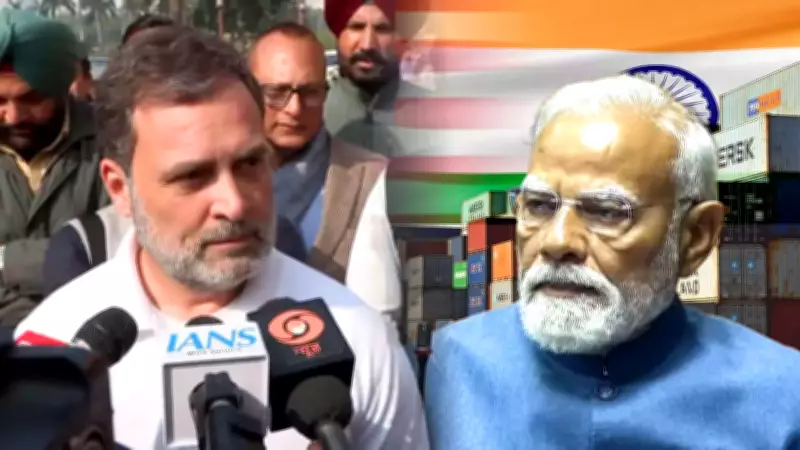
Congress leader and Leader of the Opposition Rahul Gandhi launched a scathing attack on Prime Minister Narendra Modi, accusing him of being visibly "nervous" and buckling under immense pressure from former US President Donald Trump. Gandhi claimed that the recently negotiated India-US trade deal was rushed through in a haphazard manner, compromising India's economic interests and strategic autonomy.
"The Prime Minister has shown clear signs of anxiety and has made significant concessions under Trump's influence," Gandhi asserted during his speech. "This agreement appears to favor American corporations at the expense of Indian farmers, small businesses, and workers."

Immediate Backlash and Parliamentary Chaos
These remarks triggered immediate and vehement objections from Bharatiya Janata Party (BJP) members, who rose from their seats to protest what they called "baseless allegations" and "misleading statements." The situation intensified when the presiding officer intervened, restraining Gandhi from referencing a specific article that was deemed linked to national security concerns.
This intervention sparked further outrage from Congress parliamentarians, who accused the government of deliberately silencing the opposition and denying Gandhi his constitutional right to speak freely in the House. "This is a blatant attempt to muzzle dissent and avoid scrutiny," shouted one Congress MP amid the growing commotion.
Government's Defense and Rule Violation Claims
On the other side, government ministers and BJP leaders countered that Gandhi was violating established parliamentary rules and procedures by making unsubstantiated claims and veering into topics outside the permitted discussion framework. They insisted that the Chair's decision was necessary to maintain order and protect sensitive information.
"The opposition is deliberately creating disorder to distract from the government's achievements and the benefits of this trade deal," argued a senior minister, raising his voice to be heard over the din. "We are following all protocols, while they are resorting to theatrics."
Broader Political Implications
The explosive episode highlighted several critical fault lines in Indian politics:
- Trade Policy Scrutiny: The debate placed the India-US trade agreement under intense public and parliamentary scrutiny, with questions raised about negotiation transparency and national interest safeguards.
- Foreign Policy Posture: It touched upon India's foreign policy independence, particularly regarding relations with major powers like the United States amid global geopolitical shifts.
- Parliamentary Decorum: The incident raised serious concerns about deteriorating standards of debate and conduct in the Lok Sabha, with both sides trading accusations of undermining democratic traditions.
As paper flew across the chamber and heated exchanges continued, the Speaker was forced to adjourn proceedings multiple times, leaving important legislative agenda items pending. The stalemate continued well into the evening, with no immediate resolution in sight.
Political analysts observed that this confrontation reflects deeper ideological divides and the high-stakes nature of international trade agreements in an election-sensitive environment. The trade deal, which aims to boost bilateral commerce and investment, has become a lightning rod for broader debates about economic sovereignty and diplomatic alignment.
The day's events left parliamentarians and observers alike questioning when normalcy would return to the Lok Sabha and whether substantive discussions on the trade deal could resume without further acrimony. With both sides digging in their heels, the prospects for constructive dialogue appear dim in the immediate future.