

Rahul Gandhi Declares Congress-Led Opposition Held Upper Hand in Initial Budget Session Phase
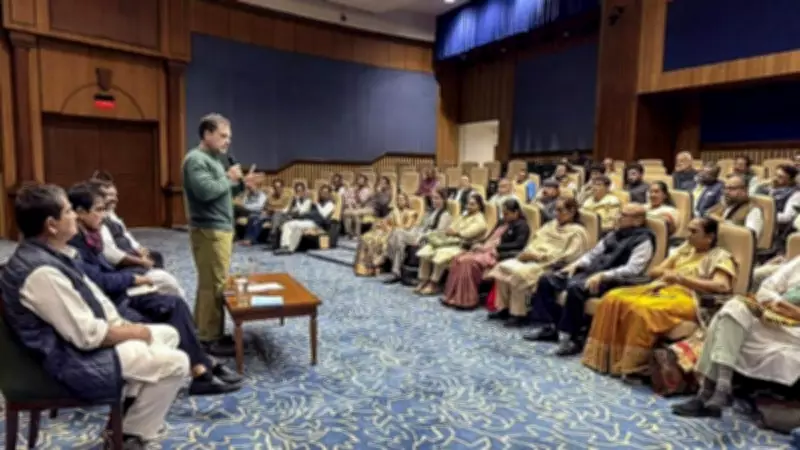
In a significant address to party leaders, Congress leader and Leader of the Opposition (LoP) Rahul Gandhi asserted that the Congress party and its allied opposition forces maintained a dominant position throughout the first phase of the ongoing Budget Session of Parliament. Gandhi emphasized that this strategic advantage allowed the opposition to effectively challenge the government on key issues, setting a tone of robust parliamentary engagement.
Call to Action: Standing Firm with Farmers Against Trade Deal
During the meeting, Rahul Gandhi issued a strong directive to Congress lawmakers, urging them to stand unwaveringly with the farming community in opposition to what he described as an "injustice" inflicted through the India-US interim trade agreement. Gandhi characterized this bilateral deal as a "sell-out," alleging that it compromises the interests and welfare of Indian farmers for broader economic or diplomatic gains.
The LoP's critique centered on concerns that the trade pact might adversely affect agricultural sectors, potentially undermining local livelihoods and food security. He called for sustained parliamentary and public pressure to address these grievances, framing the issue as a matter of national priority that transcends political lines.

Context and Implications of the Budget Session Dynamics
The first phase of the Budget Session, which typically focuses on the presentation and initial discussion of the Union Budget and other legislative matters, has been marked by heightened political tensions. Gandhi's assessment suggests that the opposition successfully leveraged this period to highlight contentious policies, including the India-US trade deal, thereby shaping public discourse and parliamentary scrutiny.
This development underscores the ongoing political tussles in Indian democracy, with the opposition aiming to hold the government accountable on economic and social fronts. The emphasis on farmer issues aligns with broader opposition strategies to mobilize support around agrarian distress, a recurring theme in national politics.
As the session progresses, observers anticipate continued debates over trade policies, budget allocations, and other governance matters, with the opposition likely to build on this claimed early advantage to push for policy revisions or greater transparency in international agreements affecting domestic sectors.






