

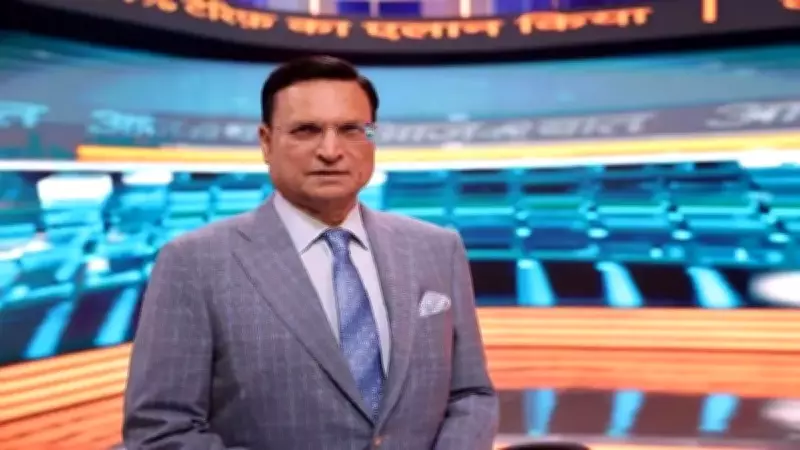
Rahul Gandhi Calls for Evidence in Political Discourse, Slams PM Modi's Governance
In a recent interview with veteran journalist Rajat Sharma on his show Aaj Ki Baat, Congress leader Rahul Gandhi made a strong statement regarding political allegations and governance. Gandhi emphasized that accusations in the political arena must be backed by solid proof, while simultaneously launching a critique of Prime Minister Narendra Modi's administration.
Demand for Proof in Political Allegations
Rahul Gandhi stressed the importance of substantiating claims with evidence, stating that unverified allegations can undermine democratic processes. He argued that in a healthy democracy, political discourse should rely on facts and verifiable data rather than baseless accusations. This call for proof comes amid ongoing political debates and controversies in India's national landscape.
Criticism of PM Modi's Governance
Beyond the discussion on allegations, Gandhi did not hold back in criticizing Prime Minister Narendra Modi's governance style and policies. He pointed to what he described as systemic issues and failures in addressing key national challenges. According to Gandhi, the current administration has not lived up to its promises, leading to widespread dissatisfaction among citizens.

Key Points from the Interview:
- Rahul Gandhi insisted that political allegations require concrete evidence to be credible.
- He criticized PM Modi's handling of economic and social issues, citing specific examples of policy shortcomings.
- Gandhi highlighted the need for transparency and accountability in government actions.
- The interview touched on broader themes of democratic integrity and public trust.
Context and Implications
This interview is part of a larger political narrative as India approaches upcoming elections and policy debates. Gandhi's remarks are seen as a strategic move to challenge the ruling party's narrative and rally support for the opposition. By focusing on the need for proof and criticizing governance, he aims to position himself as a voice for factual and responsible politics.
The discussion with Rajat Sharma provided a platform for Gandhi to articulate his views directly to the public, bypassing traditional media filters. This approach is increasingly common in modern political communication, where leaders seek to connect with voters through direct dialogues.
In summary, Rahul Gandhi's interview underscores a dual message: a call for evidence-based political discourse and a sharp critique of the current government's performance. As political tensions rise, such statements are likely to fuel further debates and shape public opinion in the coming months.






