Rahul Gandhi Condemns Government Action Against Youth Congress Members
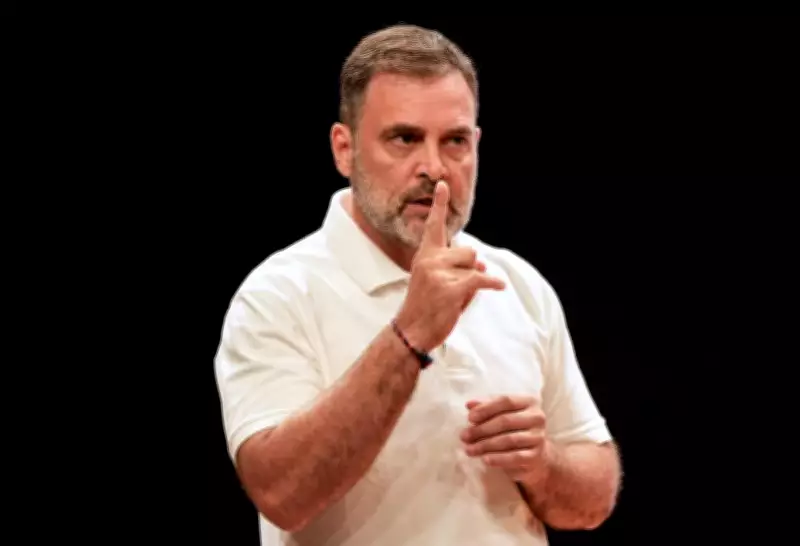
Congress leader Rahul Gandhi has launched a sharp attack on Prime Minister Narendra Modi's government, comparing its actions to those of an authoritarian regime. The criticism came in response to recent measures taken against members of the Youth Congress, which Gandhi described as an attempt to suppress political opposition and dissent.
'This is India, Not North Korea'
In a strongly worded statement, Gandhi asserted, "This is India, not North Korea," directly targeting the Prime Minister. He accused the government of employing tactics that undermine democratic principles and freedom of expression, suggesting that such actions are more characteristic of a dictatorship than a vibrant democracy like India.
The controversy stems from actions taken by authorities against Youth Congress activists, though specific details of the incidents were not fully disclosed in the original report. Gandhi emphasized that these moves represent a broader pattern of intimidation against political opponents and critics of the administration.

Accusations of Stifling Dissent
Gandhi further alleged that the government is systematically trying to silence voices that challenge its policies or authority. He framed the situation as a critical test for India's democratic institutions, warning that continued suppression could erode the foundations of the country's political system.
The Congress leader's remarks highlight ongoing tensions between the ruling party and opposition groups, particularly concerning the space for political activism and protest. This incident adds to a series of confrontations where opposition figures have accused the government of overreach and authoritarian tendencies.
Political analysts note that such exchanges are becoming increasingly common in India's heated political landscape, with both sides leveraging strong rhetoric to mobilize support and shape public opinion. The reference to North Korea is seen as a deliberate attempt to draw international attention and contrast India's democratic ideals with the actions of its current leadership.
As the debate unfolds, it raises questions about the balance between maintaining order and preserving democratic freedoms in the world's largest democracy. The government has yet to issue a formal response to Gandhi's allegations, but the issue is likely to fuel further political discourse in the coming days.