

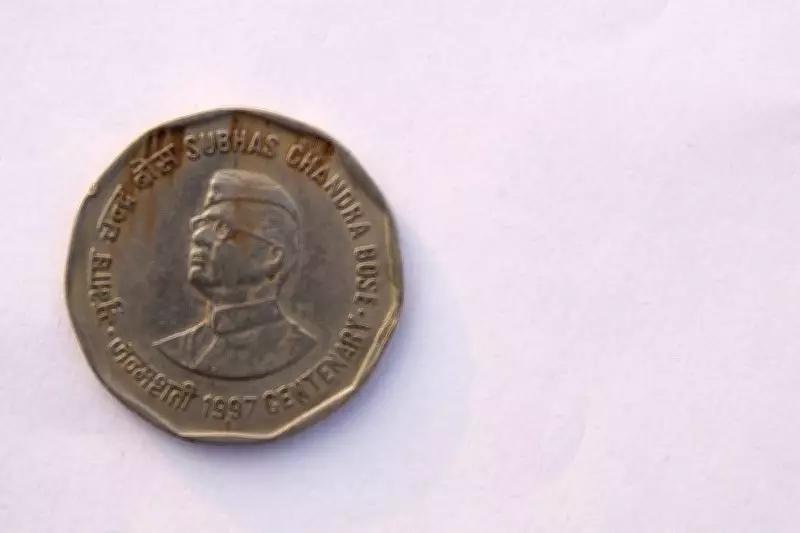
The resignation of Subhas Chandra Bose from the Indian Civil Service (ICS) in 1921 was a pivotal moment in India's struggle for independence. This decision not only altered the course of his life but also reshaped the historical trajectory of the nation's freedom movement. Bose, who had cleared the prestigious ICS examination in 1920, chose to abandon a promising career in the British bureaucracy to join the fight for India's liberty.
The Context of Bose's Resignation
Subhas Chandra Bose was born into a prominent Bengali family in Cuttack in 1897. After completing his education in India, he traveled to England to appear for the ICS examination. He secured the fourth rank in the open competition, a remarkable achievement that would have guaranteed him a high-ranking position in the British administration. However, Bose was deeply influenced by the nationalist fervor sweeping across India, particularly the Non-Cooperation Movement led by Mahatma Gandhi.
Why Bose Chose to Resign
Bose's decision to resign from the ICS was driven by his conviction that serving under British rule was incompatible with his nationalist ideals. In a letter to his elder brother, Sarat Chandra Bose, he wrote, "I have come to the conclusion that it is my duty to resign from the ICS and join the national movement." He believed that true service to the country lay not in administering colonial laws but in fighting for freedom.

The Impact of His Decision
Bose's resignation sent shockwaves through Indian society. It inspired countless young Indians to question their own roles within the British system and to consider joining the struggle for independence. His act of defiance symbolized a rejection of colonial servitude and a commitment to self-rule.
Bose's Role in the Freedom Movement
After resigning, Bose plunged into the Indian National Congress, quickly rising through the ranks. He became the president of the Congress in 1938 and 1939, but ideological differences with Gandhi led him to form the Forward Bloc. During World War II, Bose sought support from Axis powers to liberate India, leading to the formation of the Indian National Army (INA) in Singapore in 1942. The INA's slogan, "Give me blood, and I will give you freedom," galvanized millions.
Legacy of the Resignation
The resignation of Subhas Chandra Bose from the ICS was not merely a personal career move; it was a strategic act that reshaped history. It demonstrated that even the most privileged positions in the colonial system could be sacrificed for a greater cause. Bose's subsequent leadership of the INA and his relentless pursuit of independence left an indelible mark on India's journey to freedom. Today, his decision is remembered as a turning point that inspired a generation to prioritize national liberation over personal advancement.






